Advertisement
Home Blog Page 13

Flip the Script: How to Turn Negativity into a Powerhouse of Positivity
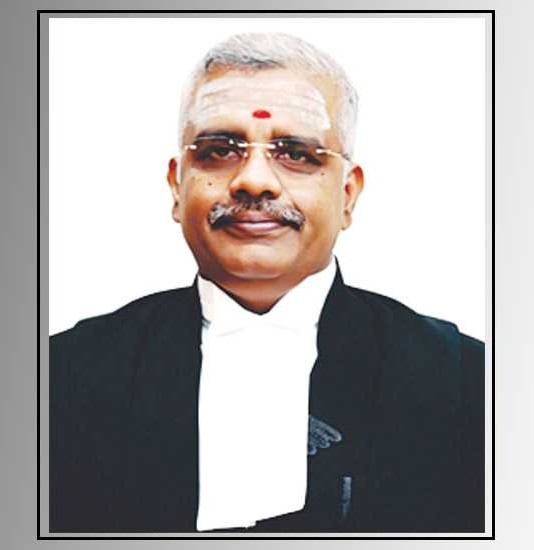
By Justice N.Anand Venkatesh

0

I have always been perplexed with this question as to why negative thoughts are more easier to entertain than positive ones ? why bad habits easily takes over us and we struggle to cultivate good habits? Is it a choice of nature to have wired us that way when we enter this world? This struggle is a profound aspect of human behavior, deeply rooted in our biology, psychology, and environment. Neuroscience offers valuable insights into why we often gravitate toward negative patterns while finding it challenging to cultivate positive ones. This article explores the intricate relationship between our brains and thoughts and habits, drawing on scientific perspectives and philosophical reflections.

At the heart of habit formation lies a complex interplay between various brain regions. The prefrontal cortex, responsible for decision-making and self-control, initially guides our conscious choices. However, as a behavior is repeated, control shifts to the basal ganglia, which automates the action, making it less reliant on conscious thought. This transition is crucial; once a habit is ingrained, it becomes automatic, freeing up mental resources for other tasks.

James Clear, in his book Atomic Habits, ilustrates this process through the “habit loop,” which consists of four stages: cue, craving, response, and reward. Each time we engage in a behavior that leads to a reward—such as eating comfort food or scrolling through social media—our brain releases dopamine, reinforcing the neural pathways associated with that action. As Clear states, “You become what you repeat.” This highlights the ease with which bad habits can form: they often provide immediate gratification, while good habits require sustained effort and delayed rewards.

Neuroplasticity refers to the brain’s ability to reorganize itself by forming new neural connections throughout life. This adaptability is pivotal in habit formation and change. Self-directed neuroplasticity, a concept popularized by Dr. Rick Hanson, emphasizes that we can actively rewire our brains to foster positive habits. By consciously reflecting on our behaviors and their outcomes, we can create new pathways that support healthier choices.

Dr. Sanam Hafeez notes that “any habit we develop is because our brain is designed to pick up on things that reward us and punish us.” This mechanism explains why negative habits can be so compelling; they often arise from immediate rewards that overshadow long-term benefits of positive behaviors. Despite understanding the neuroscience behind habits, we struggle to break free from negative patterns. A study highlighted that nearly half of our daily actions are habitual and occur almost automatically. This automaticity can be beneficial for efficiency but detrimental when it leads to unhealthy behaviors like smoking or overeating. The challenge lies in balancing habitual responses with goal-directed actions. When stressed or overwhelmed, individuals may revert to habitual behaviors rather than consciously choosing healthier options. Stress can amplify reliance on these ingrained habits, making it even harder to enact change.

Philosophers throughout history have pondered the nature of habit and its impact on human behavior. Aristotle famously stated, “We are what we repeatedly do.” This assertion underscores the importance of intentionality in shaping our identities through our choices and actions. While bad habits may feel easier to adopt due to their immediate rewards, cultivating good habits requires mindfulness and persistence. The journey towards positive change often involves discomfort and struggle. As noted by William James, “The greatest weapon against stress is our ability to choose one thought over another.” This choice reflects our capacity for self-awareness and intentional action—key components in breaking free from negative cycles.

As we explore the interplay between neuroscience and habit formation, a compelling question arises: Is it possible to be born positive and naturally bestowed with good habits and thoughts? While genetics play a role in temperament and predisposition toward certain behaviors, environmental factors significantly shape our habits over time. Research indicates that individuals can develop resilience and positivity through supportive environments and positive reinforcement. I have always believed that Perseverance in pursuing goals can be cultivated regardless of innate tendencies.

Extensive studies and research has now proven that practices such as mindfulness meditation enhance self-regulation and promote positive thinking patterns. These practices engage the prefrontal cortex, fostering greater awareness of one’s thoughts and actions—essentially rewiring the brain for positivity.

The neuroscience of habits reveals a complex tapestry woven from biology, psychology, and personal experience. While our brains are wired to seek immediate rewards—often leading us toward negative behaviors—the potential for change exists within each individual through self-directed neuroplasticity. As we reflect on whether positivity can be innate or cultivated, it becomes clear that while some may have a predisposition toward optimism or resilience, everyone has the capacity for growth and transformation. In this journey of self-discovery and habit formation, we must ask ourselves: Can we consciously choose to cultivate positivity in our lives despite our biological inclinations?

In the quiet corners of the mind,
A battle rages, fierce yet kind.
Temptation sings its siren song,
While good habits wait, patient and strong.
The lure of pleasure, a fleeting delight,
Can lead us astray from the path of light.
So here’s to the journey, both winding and wide,
To the strength we find when we turn from the tide.
For though bad habits whisper with tempting allure,
The beauty of goodness is steadfast and pure.
Let’s paint our lives with purpose and grace,
Embracing the light in each heart and each space.

Justice N.Anand Venkatesh is a Judge at the Madras High Court

The Essence of the Divine: Names, Forms, and Stories in Indian Spirituality
By Justice N.Anand Venkatesh

0

In the vast landscape of human experience, the concept of God has been a source of fascination, debate, and existential inquiry. Yet, for many, the divine remains an elusive mystery—an abstract idea that often feels beyond reach. This raises a fundamental question: can we truly understand God without the tools of name, form, and story? These elements serve as bridges between the infinite and the finite, helping us navigate the complexities of our spiritual landscape.

Names and forms are not just labels; they are essential components that shape our understanding. In many cultures, names carry deep significance. They encapsulate identity, history, and essence. In Hinduism, for example, names like “Brahma,” “Vishnu,” and “Shiva” are not mere words; they evoke rich narratives and traditions that inform our understanding of the divine. Brahma is revered as the creator god, Vishnu as the preserver, and Shiva as the destroyer—together forming the Trimurti that represents the cycle of creation, preservation, and dissolution. As philosopher Martin Buber aptly stated, “All real living is meeting.” This meeting occurs through names—through the invocation of a deity that allows us to engage in a relationship with the divine. Without a name, God becomes an abstraction, a concept devoid of personal connection. The act of naming transforms the ineffable into something we can relate to and understand.

Similarly, form provides a tangible representation of the divine. Whether it’s through religious icons like Ganesha with his elephant head or Krishna adorned with peacock feathers, forms help ground our understanding. They offer visual cues that can evoke feelings of reverence and connection. As poet John Keats beautifully expressed, “A thing of beauty is a joy forever.” The beauty found in these forms can lead us to moments of divine encounter.

Stories are perhaps the most potent tool in our quest to comprehend God. They serve as vessels for transmitting beliefs, values, and experiences across generations. Through parables and myths—like those found in the Mahabharata or Ramayana—we find moral lessons and insights into the human condition that resonate deeply within us. The tales of Rama’s unwavering devotion or Krishna’s playful mischief allow us to see ourselves in these narratives; they invite us to reflect on our lives in relation to the divine. As author Neil Gaiman noted, “Stories are important; they can be used to make sense of the world.”

In contrast, when we strip away names and forms—when we attempt to discuss God without stories—we risk losing the very essence that connects us to the divine. We may find ourselves wandering in an intellectual wilderness where faith feels distant and abstract. This is where many atheists find themselves: grappling with a concept that lacks personal meaning or relevance.

For atheists or those struggling with belief, the absence of name, form, and story can create a chasm between them and any notion of God. Without these tools to contextualize divinity within their lived experiences, faith may seem like an outdated relic rather than a vibrant source of inspiration. Philosopher Friedrich Nietzsche famously declared that “God is dead,” reflecting a sentiment that resonates with many modern thinkers who perceive traditional concepts of God as obsolete in an increasingly secular world. Without stories to breathe life into these ideas or names to anchor them in reality, it becomes challenging for individuals to engage with spirituality meaningfully.

However, this does not mean that understanding God is impossible without these tools; rather, it highlights their importance in facilitating comprehension. In moments of deep reflection or personal experience—such as awe-inspiring encounters with nature or profound moments of love—we may glimpse something transcendent even without traditional narratives. As philosopher Alain de Botton suggests in his book Religion for Atheists, “We might need to rethink how we view religion; it’s not just about belief but also about community and shared experiences.”

In Hindu philosophy, particularly within the Upanishads—the ancient texts that explore metaphysical concepts—the idea emerges that while there are many gods with different names and forms (like Durga representing strength or Lakshmi embodying prosperity), they ultimately point toward one underlying reality: Brahman. This ultimate reality transcends all names and forms yet manifests through them in ways we can comprehend. The Upanishads teach us about this unity amidst diversity: “That art thou” (Tat Tvam Asi), suggesting an intrinsic connection between humanity and divinity.

As we explore these concepts further, let us remember that names, forms, and stories are not mere tools but essential elements that shape our perception of divinity. They create a tapestry that helps us navigate the complexities of spirituality while acknowledging both our limitations and our potential for understanding.

Ultimately, “The only journey is the one within.” In this journey toward understanding God—through names, forms, and stories—we discover not only the divine but also ourselves. By embracing these tools as pathways rather than barriers to understanding higher concepts of divinity, we can foster deeper connections with each other and with whatever higher power we may seek.

In conclusion, recognizing that every culture has applied its own interpretation in an attempt to comprehend God can lead to greater empathy and understanding across diverse beliefs. Whether through Hindu deities revered in temples or through universal themes found in various religious narratives worldwide, we find common threads woven into our search for meaning—a search that ultimately reflects our shared humanity in pursuit of something greater than ourselves.

In shadows cast by nameless skies,
Where formless whispers drift and rise,
How can we grasp a truth so bare,
When every heart seeks tales to share?
The atheist wanders, lost in thought,
In silence deep, where God is sought—
Without a name, a shape, a song,
What echoes linger? Where do we belong?

Justice N.Anand Venkatesh is a Judge at the Madras High Court

Laughing Through Time: A Rebellious Guide to Embracing 2025
By Justice N.Anand Venkatesh

0

As another year approaches, we find ourselves at a moment that’s more than just changing a calendar. It’s like standing at a crossroads where our past experiences meet our future hopes.

Think about time as a journey. Every year we live adds another chapter to our life’s story. The New Year isn’t about erasing what happened before, but about understanding our journey and looking forward with excitement.

Imagine life as a continuous learning experience. Each moment – whether happy or challenging – teaches us something valuable. When January 1st arrives, it’s not a magical reset button, but a chance to take a deep breath and think about where we’ve been and where we want to go.

What makes the New Year special is hope. It’s that feeling inside us that believes things can get better. Millions of people around the world share this feeling simultaneously. We’re all dreaming, planning, and believing that the coming year might bring something wonderful.

Celebrating the New Year is like giving ourselves permission to start fresh. It’s not about making impossible promises to ourselves, but about being kind to ourselves and staying open to new possibilities. We’re not trying to be perfect; we’re just trying to grow, learn, and enjoy the journey.

Every culture celebrates this moment differently, but the core feeling is the same – hope, renewal, and the excitement of potential. Whether you’re watching fireworks, having a quiet moment of reflection, or dancing with friends, you’re part of a global moment of collective optimism.

The beauty of the New Year is that it reminds us we’re alive. We’ve survived another year, learned new things, overcome challenges, and we’re still here, still dreaming, still moving forward.

And now, a playful poem that captures this spirit:
In life’s wild kitchen, where dreams cook and sway,
Our hopes bubble up in a hilarious display,
Resolutions dance like a comedy show’s delight,
We laugh at our plans, take a comical flight,
Embracing each moment with joy, pure and bright!

Buckle up, Universe! Your wildest dreams just got a VIP pass to an extraordinary 2025!

Justice N.Anand Venkatesh is a Judge at the Madras High Court

JYOTHI THOMAS: SOCIAL ENTREPRENEUR
By Juliana Sridhar

0

Social entrepreneur Jyothi Thomas was born to Tej Singh, a Rajput who served in the Indian army and Kasthuri, a homemaker. She married Philip Thomas, a lawyer cum journalist and converted to Christianity. Tragedy struck in 2006 when she lost her husband to cancer.

Jyothi schooled in Church Park Convent in Chennai and graduated in Psychology from Queen Marys College. After her marriage, she shuttled between Chennai and Canada and whilst in Chennai, she was involved in the administration and editing work of Madras Times, a newspaper in which her father-in-law John Thomas and husband played key roles.

She is also a trained Montessarian and had a short stint in the teaching profession. She was a stand by teacher in Good Shepherd Covent for a short period and filled in for any teacher who was on leave.

Jyothi’s only daughter Maria Kavita Thomas, studied B.L at the School of Excellence in Law, pursued her Masters in the U.K. and is now settled in Canada where she works as a consultant. Singing is Kavita’s passion and she is part of an All Women’s group named Diva.

In 1999, Jyothi started CAN Consultants- Creative Artistic Network to bring all skilled men and women under one umbrella. 

She recalls her father instilling in her mind at a very young age, the need to be financially independent, to work for social justice and to stand up for the rights of the less privileged and she strives hard to follow his advice at every step of her life.

She has curated numerous projects and invested a lot of her time and efforts in them. However, she has done these projects without taking any monetary compensation.

Some projects that she curated are the creation of puppets for SPASTN, The Spastics Society of Tamilnadu in the late 90’s where she brought in people from the kuppams to create the puppets. The puppets were made to create awareness.

A project for which Jyothi received the most appreciation is the Care for Cops Project during the Covid pandemic period where she spearheaded a project to provide masks for Policewomen. It was an initiative of FICCI FLO of which she was the secretary. FICCI sponsored the whole project. A total number of 20,000 masks were made by girls who were trained specifically for this purpose. These masks were sent to 172 police stations. This project was supported by Deepali Goyal, Sudha Shiv Kumar and Kavitha Dutt.

One project that is very close to her heart is that of upskilling women and making them stand on their own feet. Jyothi regularly arranges for training women in tailoring and Aari embroidery work. The course goes on for 2 to 2 ½ months and after completion of the course, the women become skilled tailors and are able to fend for themselves.

Jyothi is multi-talented and wears many hats. She is also an avid public speaker, a TEDx speaker, a certified corporate trainer, NLP and Gestalt practitioner and a leadership coach. Her passion is to take knowledge to every corner.

She has done projects for many Rotary Clubs and Organizations on a shoe string budget. She is a member of the Toast Masters Club and has gained a lot of exposure from the club.

When it comes to food, Jyothi is a non fussy eater but doesn’t like her food to be spicy. One thing she cannot do without is yoghurt and it is a must in her diet. She had a sweet tooth earlier but now has cut down on sweets.

Jyothi is of the firm belief that lack of money should not stop a person from pursuing their dreams and being a social entrepreneur, she strives to help out the less privileged. 

Juliana Sridhar is a lawyer and columnist


Blood, Courage, Freedom: When Cinema Becomes Revolution
By Justice N.Anand Venkatesh

0

Beyond cinema, beyond storytelling – “Viduthalai” is a revolutionary scream that tears through societal darkness, exposing the raw nerve of human resistance. A cinematic earthquake that shatters institutional walls and resurrects forgotten voices.

In the vast landscape of Indian cinema, there emerges a rare gem that speaks not just to the heart, but to the very conscience of our society. “Viduthalai” is more than a film – it’s a powerful narrative that unveils the hidden struggles of marginalized communities, bringing their untold stories into the bright light of public consciousness.

As someone who has spent a considerable time navigating the complex corridors of justice, I find myself deeply moved by Vetri Maaran’s extraordinary cinematic journey. The film is not just a story; it’s a mirror reflecting the deep-rooted challenges that plague our social and institutional frameworks.

Imagine a world where your existence is constantly challenged, where your basic human dignity is stripped away by systemic oppression. This is the reality that Perumal Vaathiyaar, brilliantly portrayed by Vijay Sethupathi, represents. He is not just a character, but a voice for thousands who have been silenced, pushed to the margins of society, forgotten by the very system that should protect them.

The beauty of “Viduthalai” lies in its nuanced storytelling. It doesn’t paint the world in black and white, but in various shades of grey. The film follows Kumaresan, a young police officer caught between his institutional duty and his human conscience. Through his journey, we see the internal struggles of individuals trapped within broken systems.

What truly sets this film apart is its unflinching honesty. It doesn’t glorify violence or present simplistic solutions. Instead, it asks profound questions: How do marginalized communities fight for their rights? What does true justice look like? How can we break the cycles of oppression that have existed for generations?

The cinematography captures more than just visual beauty. Each frame tells a story of struggle, hope, and resilience. The landscape becomes a character itself – rugged, challenging, yet holding immense potential for transformation.

I am particularly impressed by how the film humanizes complex social issues. The tender love story between Perumal and Mahalakshmi reminds us that even in the midst of struggle, human connections remain powerful and transformative. It shows that resistance is not just about fighting, but about preserving hope and dignity.

The film tackles critical issues that our judicial system grapples with daily – caste discrimination, economic inequality, institutional corruption, and environmental destruction. But it does so without being preachy or judgmental. Instead, it invites viewers to understand, to empathize, to reflect.

The musical landscape of “Viduthalai” deserves special mention, with Ilaiyaraaja’s extraordinary composition serving as the film’s emotional backbone. Each musical note feels like a whisper of the marginalized communities’ struggles, transforming mere sound into a profound narrative language. The background score doesn’t just accompany the visuals; it becomes an independent character, breathing life into the film’s emotional terrain. Ilaiyaraaja has once again demonstrated why he is considered a maestro – his music doesn’t just support the storytelling, but elevates it, making viewers feel the characters’ pain, hope, and resilience. The musical journey in “Viduthalai” is akin to a parallel narrative, speaking volumes without uttering a single word, making the audience experience the film’s core emotions through its sublime soundscape.

To the creators of “Viduthalai” – Vetri Maaran, Vijay Sethupathi, and the entire team – this is more than appreciation. This is recognition of a significant contribution to social discourse. You have created a work that serves as a critical social document, giving voice to the voiceless and challenging dominant narratives.

In an age of increasing social divide, “Viduthalai” stands as a beacon of hope. It reminds us that true justice extends beyond courtroom proceedings. It requires understanding, empathy, and a willingness to see the humanity in every individual, regardless of their social status.

This film is not just a cinematic experience. It is a call to action, a plea for understanding, and a powerful testament to the resilience of the human spirit. It challenges us to look beyond our comfortable narratives and recognize the complex realities that exist just beyond our immediate perception.

“Viduthalai” – which means “Freedom” – is ultimately a journey of hope. A hope that through understanding, dialogue, and genuine empathy, we can create a more just and equitable society.

Justice N.Anand Venkatesh is a Judge at the Madras High Court

Dr. Sivapiriya: a proficient director
By Juliana Sridhar

0

Dr.V. Sivapiriya, a proficient woman who is the Director (FAC) of the Forensic Sciences Department in Chennai, was born in Chidambaram to Venugopalan, a government officer and Vijayalakshmi, a Sangeetha bhushanam from Annamalai University. She has an elder brother and she grew up in Chennai.

She is married to R. Diwakar who served as Senior General Manager of the Hindu newspaper and has now retired. Her only daughter, Vyshnavee, studied engineering but opted to become a writer instead is married to Nikhil Sathasivam an economist. Dr. Sivapiriya’s two grandchildren- Rudra and Kalki Leela Lakshmi complete the family.

She is a gold medallist and obtained a gold medal and the first rank in B.Sc (Botany) in Madras University in the year 1985. She went on to study M.Sc Forensic Science (Forensic Biology and Serology) and here too she obtained the first rank in Madras University in 1987 and won a gold medal. She was awarded a doctorate degree- Ph.D in 2007 in (Forensic Science Pharmacology and Environmental Toxicology).

Her career with the Forensic Sciences Department as Junior Scientific Officer began in 1987 and she has completed 37 years of unblemished service. With her hard work and dedication, she climbed up the ladder and rose to the present position of Director.

 Forensic Science is a complex discipline that involves different fields and plays a fundamental role in the investigation of a case. The main job of a forensic scientist is to establish a link between the criminal and the crime scene by examining the evidence and materials scientifically. Forensic scientists collect, preserve and analyze scientific evidence during the course of an investigation.

Sivapiriya who has a strong aptitude for forensic science with her composure, critical thinking, problem solving, eye for detail and prociency in science is extremely proud of the fact that she has been the only woman official in the team of the Forensic Sciences Department to have deposed before the IPKF court martial that was conducted in the midst of a war zone in January 1990 in Palali, Sri Lanka.

 Her expertise and experience in the five fields of Biology, Serology, Anthropology, DNA and Documents, makes her the only officer to have knowledge in all the five essential fields in the Forensic Sciences Department, Tamil Nadu.

She was part of the team that conducted an investigation into the assassination case of former Prime Minister Rajiv Gandhi in May 1991.

She was also a member of the team that investigated into the sensational Sankar Raman case and the Kodanadu murder case.

In her service of 37 years, she has worked in tune with the modern methods of analysis and has also handled all the modern equipments and tools of the department in the Biology, Serology, DNA, Documents and Anthropology wings and has published many articles in International journals.

An outspoken person, she does not hesitate to speak her mind out. She loves to socialize with friends. Her hobbies include singing, dancing and listening to Carnatic music. She hits the gym once in a while to stay fit. She has a passion for travelling and snow capped mountains are among her favourite destinations.

Dr. Sivapiriya has made an impactful contribution to the branch of forensic science. Her dedication, passion and proficiency are behind the success of her endeavours.

Juliana Sridhar is a lawyer and columnist.

Between God and Chance: My 55-Year Odyssey
By Justice N.Anand Venkatesh

0

As I walked my dog, the wand holding him close, a sudden thought struck me. There’s an invisible wand around my own neck, guiding my entire life journey. This unseen force has been with me through everything—bringing me joy, sorrow, challenges, and unexpected moments.

If I call this force “God”, the atheists won’t be happy. If I name it “nature” or “self-effort”, the religious people might feel uncomfortable. If I use a scientific term, the rational thinkers might feel satisfied. But the real truth is much simpler.

Looking back at my 55 years, I see a mix of things that have brought me to this exact moment. Some experiences were like beautiful flowers, some were like hard stones thrown my way. But each experience shaped me.

This invisible guide isn’t something I can easily explain. It’s not just luck, not just hard work, not just destiny. It’s something in between—a mysterious dance of choices, chances, and something larger than myself.

Every step I’ve taken, every decision I’ve made, has been like a brushstroke on a big canvas. Sometimes I was painting, sometimes the brush was painting me. Sometimes I was driving, sometimes I was being driven.

My life has been a journey of learning. Each challenge taught me something. Each happy moment celebrated my existence. The invisible wand didn’t control me completely, but it definitely guided me.

Unseen friend walking beside me,
Guiding my steps quietly,
Through happy days and tough times too,
Creating a path that’s uniquely true.

No name can capture your magic way,
How you’ve been with me day by day,
Helping me grow, helping me see,
The beautiful story of just being me.

Where am I going next? I don’t know exactly. But I’m excited to find out. This invisible wand continues to guide me, showing me that life is not about knowing everything, but about enjoying the journey.

My 55 years have taught me one thing: Life is a beautiful mystery. And I’m grateful to be living it.

Justice N.Anand Venkatesh is a Judge at the Madras High Court
Justice in Jeopardy: The Interplay of Cognitive Bias and Social  Media in Modern Judging
By Justice N.Anand Venkatesh

0

In the rapidly evolving landscape of the digital age, judges face a unique set of challenges that their predecessors could hardly fathom. Chief Justice DY Chandrachud (as he then was) has emphasized that “for every little thing that we do… you face the threat of being trolled by someone who does not share your point of view.” The emergence of social media has transformed not only how information is disseminated but also how it influences public perception and, consequently, judicial decision- making. This article explores the intricate dynamics between social media, cognitive biases, and the judicial process, drawing on insights from neuroscience and legal philosophy while reflecting on the profound implications for justice.

The advent of social media has ushered in an era where information travels at lightning speed. In this environment, public opinion can be shaped almost instantaneously, often leading to what has been termed “trial by media.” As Justice Sikri aptly observed, “We are in the era of paid and fake news,” highlighting the potential for misinformation to distort public understanding and influence judicial outcomes. This phenomenon poses a significant threat to the integrity of the legal system, as judges may find themselves swayed by prevailing narratives rather than objective evidence.

Here are some significant cases across the globe, including the one from India, that were notably influenced by social media:

  1. The O.J. Simpson Trial (USA, 1995): This trial became a landmark event in media history, with extensive coverage shaping public opinion. The case highlighted racial tensions in America and led to a divided public perception along racial lines. Social media discussions, although less prevalent at the time, foreshadowed the impact of digital platforms in high-profile trials, as public sentiment swayed jurors and influenced perceptions of justice.
  2. The Oscar Pistorius Case (South Africa, 2014): The Paralympic athlete was accused of murdering his girlfriend, Reeva Social media commentary created a polarized environment, with hashtags trending in support of both sides. The extensive media coverage influenced public perception and arguably pressured the judicial process.
  3. The George Floyd Case (USA, 2020): The murder of George Floyd by police officer Derek Chauvin sparked global protests and discussions on systemic racism. Social media played a pivotal role in mobilizing public opinion and activism, influencing the trial’s proceedings and outcome significantly.
  4. The Nirbhaya Case (India, 2012): The brutal gang rape and murder of Nirbhaya led to widespread protests across India, fueled by social media platforms like Facebook and Twitter. The online outcry mobilized public support for legal reforms and amendments to laws regarding sexual  violence,  impacting  the  judicial  process  and subsequent legislation.
  1. The Jessica Lall Murder Case (India, 1999): This case involved the murder of model Jessica Lall in a high-profile incident that garnered significant media attention. Social media amplified calls for justice after the initial acquittal of the accused. Public outrage led to a retrial and eventual conviction, highlighting how social media can influence legal

These cases illustrate the profound impact social media can have on judicial proceedings and public perception, raising critical questions about fairness and integrity in legal systems worldwide.

Neuroscience provides a valuable lens to examine these challenges. Our brains are wired to process information through cognitive shortcuts known as heuristics. While these mental shortcuts can be efficient, they also predispose us to biases that can cloud judgment. For instance, confirmation bias leads individuals to favor information that aligns with their existing beliefs while disregarding contradictory evidence. This bias is particularly concerning for judges who must evaluate evidence impartially. When judges are exposed to social media narratives that reinforce their preconceptions, they may unconsciously allow these biases to influence their decisions.

In a hypothetical criminal case, imagine a judge overseeing a high- profile trial involving a celebrity accused of embezzlement. The judge, influenced by extensive social media coverage portraying the accused as guilty, begins to subconsciously favour evidence that supports this narrative. During the trial, the prosecution presents ambiguous financial records. The judge interprets these records through a biased lens, emphasizing inconsistencies while downplaying exculpatory evidence from the defense. As the trial progresses, the judge’s confirmation bias leads to an unjust ruling, ultimately resulting in a wrongful conviction. This highlights the dangers of cognitive shortcuts in judicial processes.

Moreover, the framing effect—where the presentation of information affects decision-making—can further complicate judicial reasoning. In a social media context, where complex legal issues are often distilled into simplistic sound bites, judges might find themselves influenced by how cases are portrayed online. This distortion can undermine the careful deliberation that is essential to fair judgment.

As judges navigate these challenges, they must also contend with the potential for distraction posed by social media. The constant barrage of notifications and updates can fragment attention and hinder deep cognitive processing. Research indicates that multitasking can impair cognitive performance, making it difficult for judges to engage fully with case materials. In an age where attention spans are dwindling, maintaining focus on the nuances of legal arguments becomes increasingly difficult.

The ethical implications of social media use by judges cannot be overstated. The Bangalore Principles of Judicial Conduct emphasize the importance of maintaining impartiality and integrity in all aspects of a judge’s life. However, as social media blurs the lines between personal and professional lives, judges must exercise caution in their online interactions. Posts intended for a limited audience can quickly spiral out of control, leading to public scrutiny that may compromise judicial credibility.

Judges are not immune to the pressures exerted by public opinion on social media platforms. The phenomenon of “social media trials” often leads to premature judgments about individuals before they have their day in court. This trend not only affects public perception but can also create an environment where judges feel compelled to align their decisions with popular sentiment rather than legal principles. As Justice Ginsburg wisely noted, “Real change, enduring change, happens one step at a time.” This perspective serves as a reminder that meaningful judicial reform requires patience and resilience amid external pressures.

The potential for bias is further compounded by the nature of social media itself. Platforms often operate on algorithms designed to maximize engagement rather than promote balanced discourse. This can create echo chambers where individuals are exposed primarily to viewpoints that reinforce their beliefs. Judges who engage with social media risk becoming ensnared in these echo chambers, which may inadvertently shape their perceptions and judgments.

As we reflect on these complexities, it becomes clear that there is no simple solution to mitigating the influence of social media on judicial decision-making. Instead, judges must cultivate self-awareness and critical reflection regarding their interactions with digital platforms.

Looking ahead, it is essential for judges to embrace social media as a tool for education rather than mere engagement. By sharing insights about legal principles and the judiciary’s role in society, judges can contribute positively to public discourse without compromising their positions. This proactive approach not only enhances public understanding but also serves as a counterbalance to misinformation proliferated through social media channels.

The challenge lies in finding a balance between transparency and impartiality. Judges are entitled to personal lives and opinions; however, they must remain vigilant about how these aspects intersect with their professional responsibilities. The law must evolve with society. This evolution demands that judges adapt to changing societal norms while upholding the rule of law.

As we consider these issues, it is important to recognize that there are no easy answers or definitive conclusions regarding the influence of social media on judicial decision-making. The interplay between cognitive biases, public perception, and ethical considerations creates a multifaceted challenge that demands ongoing reflection and adaptation.

In conclusion, navigating the complexities of social media’s influence on judicial decision-making requires a nuanced understanding of human cognition and ethical responsibility. Judges must remain vigilant against biases while engaging thoughtfully with an ever-evolving digital landscape. As we continue to grapple with these challenges, it is imperative that we foster an environment where justice prevails over sensationalism—a pursuit that requires introspection and commitment from all those involved in the legal process.

Ultimately, as we ponder these themes within our society—where technology shapes our perceptions and interactions—we are reminded of Mahatma Gandhi’s words: “An ounce of practice is worth more than tons of preaching.” In this spirit, let us strive for practices that uphold justice amidst the complexities introduced by our digital world—a world where every click and post carries weight beyond our immediate comprehension.

Justice N.Anand Venkatesh is a Judge at the Madras High Court
Amaran: A Journey Through Sacrifice and Love
By Justice N.Anand Venkatesh

0

“The soldier above all others prays for peace, for it is the soldier who must suffer and bear the deepest wounds and scars of war.” — Douglas MacArthur. In the medleys of our nation’s history, the sacrifices of soldiers are among the most poignant and profound. Each thread tells a story of bravery, love, and an unwavering commitment to duty that transcends the ordinary. Recently, I watched a film that portrayed the life and untimely death of a young soldier, which engulfed me in a wave of emotions as I grappled with the harsh realities faced by those who serve our country. This experience compelled me to confront my own perceptions of honor, duty, and the respect we owe to these gallant individuals.

Rajkumar Periasamy has re-embarked into the arena of filmmaking with “Amaran,” an ode of patriotism and love that tells the story of Major Mukund Varadarajan and his wife, Indhu Varghese Mukund. The film’s screenplay and impeccable editing create an enigmatic yet poignant narrative that is both riveting and unfeigned. It is a refreshing surprise to witness such a film emerge from this part of the country.

The film paints a vivid picture of a soldier’s life — as a devoted husband, loving father, and son who brings joy to his family. As I immersed myself in the narrative, I became acutely aware of the myriad perspectives surrounding his sacrifice. The young wife left to navigate life alone, the small child who would grow up without a father’s guiding hand, and the aged parents mourning their loss — each character resonated deeply within me.

I felt their pain as if it were my own, tears flowing freely as I contemplated their grief. My thoughts extended to the comrades who fought alongside him, forever haunted by the loss of a brother-in-arms who made the ultimate sacrifice. This emotional journey forced me to confront my own position as a judge in a constitutional Court — a role often accompanied by an inflated sense of pride and power. In stark contrast stood this young soldier whose life was cut short while striving to protect our freedoms.

Justice N.Anand Venkatesh – Judge High Court Madras

As citizens of this great nation, we must ask ourselves: Do we truly honor our soldiers? Do we recognize their sacrifices beyond mere lip service? It is easy to express gratitude on national holidays or during commemorative events; however, genuine respect requires deeper reflection and action throughout the year. In an era filled with distractions, societal values can sometimes stray from honoring those who serve.

To cultivate respect for our soldiers in future generations, we must begin by fostering awareness and understanding among children. Incorporating stories of valor and sacrifice into educational curriculum can profoundly impact young minds. By sharing narratives about soldiers who have served not just in battle but also in peacekeeping missions and humanitarian efforts, we can instill pride and respect for military service.

Encouraging children to participate in community events that honor veterans can create meaningful connections between them and those who have served. Activities such as visiting veterans’ homes, participating in parades, or engaging in service projects for military families can foster empathy and understanding.

Creating safe spaces for discussions about military service can help demystify soldiers’ experiences. Schools and community organizations can host panels featuring veterans sharing their stories, allowing children to ask questions and gain insight into military life. Instilling values of service and volunteerism in children can further nurture respect for those who sacrifice for our safety.

As we reflect on our responsibilities toward those who serve, true respect goes beyond words; it requires action. We must advocate for policies that support veterans’ health care, mental health services, and transition programs for returning soldiers. By doing so, we honor their sacrifices not just with gratitude but with tangible support.

Media portrayal significantly impacts public perception of soldiers and military life. The narratives constructed by films, television shows, and news coverage shape societal attitudes toward both military personnel and the conflicts they engage in. For instance, during the Kargil War in India, live reporting brought battle realities into homes, generating nationalistic sentiment and galvanizing public support for troops. This direct engagement humanized soldiers and highlighted their sacrifices. A balanced representation that includes veteran voices is essential for cultivating a more informed public understanding of military life. It is crucial to address both heroism and the challenges faced by service members.

In conclusion, we must cultivate a culture that respects and honors our soldiers not only during times of conflict but throughout their lives. Let us

strive to build a generation that recognizes the depth of sacrifice made by these brave individuals — one that understands that freedom is never free.

In fields where shadows dance with light, Brave souls stand guard through day and night. A mother weeps; a child’s soft plea,

“Daddy’s gone, but I believe.” For every hero lost too soon,

A nation mourns beneath the moon. With silent valor, they endure,

Their sacrifice — our hearts must cure. Let us remember; let us care,

For every soldier’s silent prayer.

In honoring them, we find our way To cherish life each passing day.

As we move forward together as a nation, let us commit ourselves to honoring those who have given so much for our freedom and security. Their sacrifices deserve not only recognition but also action that reflects our deepest gratitude and respect.

The Chikankari Story
By Juliana Sridhar

0

Chikankari is a traditional and delicate hand embroidery art form and dates back to the Mughal era in India. This beautiful, classy, delicate, exquisite and ethereal art form is said to have been brought to Lucknow, the land of the Nawabs by Nur Jehan, the wife of Mughal emperor Jahangir in the 17th century. This cherished craft is admired all over the world.

The word ‘’Chikan’’ is derived from the Persian word ‘’chikeen’’ which means creating delicate patterns on a fabric. Chikankari became very popular in India and gained a status of nobility and elegance. The Nawabs of Awadh patronized, promoted and preserved the art form and encouraged skilled artisans to create exquisite chikan garments for the members of the royal court

In early times, embroidery work was done with white cotton thread on fine fabric. Nowadays, coloured polyester threads, golden zari, silver zari and even wool are used to do the chikankari embroidery. Originally chikankari embroidery was done on mul mul cotton and fine muslin cotton. Currently, it is done on many other fine fabrics like cotton, kota, sheer, chiffon, reyon, chanderi, silk, georgette, modal, organza, viscose, voile, etc to keep up with the market trends. In recent times embellishments like mukaish work, pearls, mirrors, sequins and gota patti work are used to add to its beauty.

Lucknow, the capital of Uttar Pradesh is famous for chikankari embroidery and is the heart of the chikankari industry. It is usually referred to as Lucknowi Chikankari. It is a handcrafted art form and a lot of time and effort is spent to create these masterpieces. Intricate patterns and floral designs are done on various fabrics for that eye catching look. It consists of 32 different types of stitches. Some popular stitches are murri, jali, tepchi, bakhia and phanda 

Chikankari is also called shadow work. Most of the chikankari embroidery is done by women. Production is mainly done in Lucknow and the adjoining districts. 

There are 5 steps involved in the process. They are design, engraving, block printing, embroidery and finally washing and finishing. First the fabric is procured after which the design is block printed by karigars. The wooden blocks are dipped in the blue solution to get different floral patterns on the fabric. Next, the embroidery work is done. After the embroidery is completed, washing process is done. Finally the fabric gets starched and ironed (if necessary) and out comes the beautiful chikankari product.

However, the entire process is arduous and time consuming and the minimum time for a chikankari ensemble to be completed is around 15 to 20 days. If the work is more elaborate, it may even take months to complete.

Says Shweta, the owner of a chikankari manufacturing company in Lucknow that there are some challenges that manufacturers face. Firstly, as all the chikankari embroidery is done in nearby villages, getting the work done is quite challenging. Secondly, loss of the fabric and threads due to the negligence of the karigars causes them financial loss. Thirdly, the fabric gets damaged at times and finally, during the rainy season, there are major delays as the fabric cannot be washed and dried easily and causes delay in the work.

Lucknow has been recognized as an exclusive hub of chikankari by the Geographical Indication Registry in December 2008. The elegant motifs, floral designs and abstract geometric shapes reflect the rich cultural heritage of India.

It is so versatile and elegant and chikankari outfits can be worn by men and women both for casual wear and for formal events and religious functions and festivals too. It is a blend of comfort, style and timeless elegance and represents grace and sophistication. It also strikes a right balance between fashion and comfort and can suit any budget.

Chikankari garments are ideal for any season. During the scorching summer season, light cotton chikankari outfits help to beat the heat and stay cool. In winter, georgettes, chiffons, modal and velvet fabrics with chikankari embroidery keep one warm. 

With the development of e-commerce, chikankari has reached global platforms. The presence of online platforms has made it easy for artisans to showcase their products to a global audience. 

Many fashion designers have drawn inspiration from the age old motifs and have kept this art form alive and thriving. They have also popularized chikankari by making it more appealing to a wider audience. It has also caught on with Bollywood celebrities who have donned chikankari outfits and thereby promoted this art form.

Chikankari is a cherished form of embroidery and a legacy of the Mughal era.  The elegance of chikankari continues to enamour people all over the world. This ethereal art form is a unique to India and needs to be nurtured and promoted not only to help out the artisans but also to preserve the rich cultural heritage of India.

Juliana Sridhar is a lawyer and columnist

The Quest for Justice
By Juliana Sridhar

0

Meet A S Kumari, the Chairperson of the Tamil Nadu State Commission for Women who has been doing exemplary service ever since she took charge of the Commission in 2022. Driven with a passion to work for the upliftment of women, this role is tailor- made for her.

This Commission was formed by the Tamil Nadu government in 1993 to deal with cases related to crimes against women. It comprises of a Chairperson and 9 members. The main objectives of the Commission are to provide protection to women, to ensure their welfare, to address gender issues and to make recommendations to the government regarding issues related to women.

Kumari was born in Chennai to Shanmuga Sundaram, a college professor and to Mona, a school teacher. She has 3 siblings, an elder sister, an elder brother and a younger brother. 

She did her schooling at the KRC Girls Higher Secondary School in Muthialpet. She completed her Pre University Course at Ethiraj College and pursued BSc in Food and Nutrition at Queen Mary’s College. She followed it up with a PG Diploma in Medical Laboratory Technology in VHS Hospital at Taramani and later did a correspondence course in MBA- Hospital Administration.

Kumari was very active even during her school days and was part of the NCC.  She joined the NCC Air Wing when she was in college and is the recipient of a prize at the national level aeromodelling competition.

She is married to a lawyer P.Vijayakumar and is blessed with a daughter Pavithra Priya.

After completing her education, Kumari joined the rolls of Apollo Hospital in Chennai as a Senior Scientific Officer and also served as the Staff Union General Secretary for about 30 years.

Being an active member of the ruling DMK party, she was appointed as the Chairperson of the Tamil Nadu State Commission for Women in 2022. The office functions at Chepauk and functions from 10 am to 5.45 pm though her work gets prolonged on most of the days due to a number of women who visit the commission to air their grievances.

According to Kumari, most women who approach the Commission are from the underprivileged sector and they receive around 80 to 90 letters a day by post. Around 10 to 12 women walk in everyday with their grievances. She gives them a patient hearing for about 15 to 20 minutes and helps them to get justice.

Her work involves creation of awareness programmes, holding medical camps, giving recommendations to the government, running a helpline for women, visiting old age homes, taking up issues related to violation of rights of women and initiating follow-up action with the concerned authorities etc. The Commisssion works in tandem with the district collectors and the Social Welfare Department.

The Commission also investigates specific problems of women and takes up studies regarding women’s issues. It is vested with powers to safeguard the rights of women and ensure their protection against all forms of harassment within the family and community.

She has arranged for conducting around 600 medical camps so far for the underprivileged sections of society. 

Another area that the Commission concentrates on is cyber crime. They have conducted seminars for college students in 7 cities to enlighten the students about cyber crime and the precautions they need to take to stay safe.

Kumari is a workaholic and loves her busy schedule to the core. She feels restless if there is an idle moment. She unwinds after a hectic day either by watching a movie or by relaxing with her grandchildren. 

In the words of author Isabel Allende “I can promise you that women working together-linked, informed and educated can bring peace and prosperity to this forsaken planet’’.

Juliana Sridhar is a lawyer and columnist

An Articulate and Inspiring Senior Advocate
By Juliana Sridhar

0

Hema Sampath, a designated Senior Advocate of the Madras High Court has carved a niche for herself in a male dominated profession with her unwavering dedication and hard work. She was born in Cuddalore to A. Srinivasan and Mythily but grew up in Chennai. Both her father and paternal grandfather were lawyers though her father practised as a lawyer for some years and later joined the corporate world. 

Hema has two siblings- younger brother Raghu and younger sister Usha. She schooled in National Girls High School and pursued B.A. in Social Science at Stella Maris College.

She was married off at a young of 19 to K. Sampath, a lawyer. Marriage did not deter her from continuing her education and she joined the Madras University to do her Master’s degree in Social Science. Being a brilliant student, she topped the University in spite of having the responsibility of running a home and taking care of her newborn son.

Her two sons- Srinath now settled in the US and Anand, who works in Singapore studied in Don Bosco, Egmore and it was Hema who used to ferry them to school and back home. Encouraged by her father-in-law, she learnt to drive a car and obtained a driving licence in the year 1973 and was one of the few women in Chennai who used to drive an Ambassador car those days.

Her ambition was to become a lecturer but destiny had something else in store for her. Once her sons started going to full time school, time weighed heavily on her hands leaving her bored and restless. At times she used to visit British Council Library to read books to pass time.

It was at this point of time that she got a brainwave to study law and joined Madras Law College in 1980.  She completed her law degree in 1983 and here too, she stood first in the College. 

After getting enrolled in the Bar Council of Tamil Nadu, she started practice and joined her husband’s office where she was treated like just another junior. She started off with doing drafting work and found that she was adept at it. She slowly learnt the ropes and began appearing in court for small cases. She also picked up clerical work which is very essential for all advocates. 

When her husband K.Sampath was designated a Senior Advocate in 1993, she had to take up more work and responsibility in the office but she managed it with aplomb. After he was elevated to the Bench in 1996, Hema had to take over the reins of the office completely. She has many juniors attached to her office and they have been with her for many years.

Hema Sampath was designated a Senior Advocate in the year 2006 and holds the distinction of becoming the third woman Senior Advocate in the Madras High Court. The first and the second women Senior Advocates are M.A. Janaki and Nalini Chidambaram. Now many women have followed suit and there are a reasonable number of them in the Madras High Court.

She is a Senate Member for the Dr. Ambedkar Law University and this is her second stint at this role. She is also an active member of Lions Club of Central Madras and has been the Secretary of the Club. It is here that she honed her public speaking skills and grew to be a more confident speaker.

Her hobbies include watching documentaries, reading books- mainly fiction and recipe books. Her favourite cuisine is South Indian without onion and garlic. She watches movies once in a while if it’s a good film and has rave reviews.

A true Piscean, she loves to travel and she has travelled all over the globe with her husband. After he passed away in 2016, she shuttles between Singapore and the US to visit her two sons during the court vacations.

Being a workaholic, she prefers to carry work home where she gets to work without any disturbance. She is tech savvy and uses an iPad for her work. She does online research by herself for her senior engagements and starts preparing for the case the moment the case bundle is handed over to her.

Hema is a witty, gregarious and a very inspiring personality. She is a role model for many women who want to make a name for themselves in the legal field.  From being a shy, reticent and sensitive person, she has come a long way and has grown over the years into a bold, capable and a very independent woman.

As the quote by an unknown person goes ‘’A strong woman stands for justice, fights for equality and empowers others through the law.’’

Juliana Sridhar is a lawyer and columnist who was part of Hema Sampath’s office from 1991-1997.

AN ENTHRALLING DANCER
By Juliana Sridhar

0

Dancer Srekala Bharath, a prominent disciple of the illustrious guru K J Sarasa was born in Chennai to C R Krishnamachari a businessman and  Indira. Her elder brother Srikanth is a famous cricketer and younger brother Srinath is into business.

Srekala schooled in Vidya Mandir till class 5 and later at Vidyodaya, in the ICSE section. She completed her BA in Economics at the Ethiraj College.

She had her calling in dance at the tender age of 7 when her parents enrolled her in a dance school and had her arangetram at the age of 10. 

Her marriage to cricketer Bharath Kumar took place when she was in the first year of college and her only son Abhishek was born a couple of years later.

All her family members had a role to play in her journey of dance.  Her mother in law Jaya Krishnan, a musician encouraged her to dance even after marriage and used to take care of Abhishek when she had to travel.

Srekala has more than 900 stage performances to her credit in both national and international arenas and has performed both solo and as a group. She has completed an impressive milestone of more than five decades in her dance career.

Her stage presence is mesmerizing and her inimitable style, nimble footwork and exquisite abhinaya have helped her to carve a niche for herself in the beautiful dance form of Bharatanatyam.

She has travelled around the globe to more than 32 countries spanning across 5 continents where she staged her unique interpretation of Bharatanatyam. 

Being a notable dancer, she has regularly featured in the Chennai City Sabhas during the December Music and Dance festival. This year for the December season, she is gearing up to present Deva Madhargal on the 3 celestial nymphs- Ramba, Oorvasi and Menaka.

After being associated with her guru for 30 years, she started Thejas School of Performing Arts –TSPA in 1999 in Chennai and has trained more than 400 students till date. This year her dance school will complete its silver jubilee. It is located at her home in Karpagam Avenue.  Besides this, she also conducts classes on Skype.

 Srekala has released DVDs on the concepts of learning the basics of Bharatanatyam along with margam, invocatory terms and a couple of varnams.

Her talent and achievements in dance have been recognized and the Government of India has conferred senior fellowship on Srekala. 

She has to her credit a thesis on the Evolution of Bharatanatyam and adapting them to dance drama and has also presented papers at international venues on dance and its expression with relevance to contemporary times.

Srekala derives inner strength through her untiring dedication and devotion to the divine art form of dance. She has won numerous awards and accolades including the Kalaimamani award from the Government of Tamil Nadu, Bharata Ratnam from the Government of Sri Lanka, House of Commons recognition from the Government of Canada in Toronto. She was recently awarded the coveted Nrithya Ratnakara in Cleveland at the Cleveland Thyagaraja Festival held in April 2024.  The latest award to her kitty is the Nrithya Perunjothi awarded in June this year by ABHAI- Association of Bharatanatyam artistes of India.

Her journey spanning over 5 decades in dance has been captured in a coffee table book titled ‘’Yatra’’ which she released in July 2019.

Thejas Bala Natyotsav, an event that she conducts every year, is a platform for talented young dancers from other dance schools in the age group of 8 to 12 years. This is the 15th year of the Natyostav.

Srekala is charming and vivacious and can entertain anyone with her lively banter. Her hobbies include reading, watching films and shows on Netflix. Her favourite films include- The Sound of Music, James Bond movies, Salangai Oli, Mouna Ragam or for that matter any Kamal or Rajini film.

She has a sweet tooth but had to cut down on sweets to keep fit. She includes all green leafy vegetables in her diet and her comfort food includes rasam, dal, steamed poha upma and arisi upma kozhukattai.

She is now busy preparing for the December season and also enjoys spending time with her grandson Archit, a class 5 student of Vidya Mandir. 

As Anna Pavlova rightly puts it ‘’Dance is the purest expression of every emotion, earthly and spiritual’’.

Juliana Sridhar is a lawyer and columnist

A Gateway to Timeless Luxury: Zoya Opens in Chennai at Taj Coromandel

0

In the heart of Chennai, where tradition dances gracefully with modernity, Zoya from the House of Tata unveils its flagship boutique in the city. Launched by CK Venkataraman, MD of Titan Company Limited, this oasis of timeless design and artistry finds its home within the iconic Taj Coromandel—two proud symbols of Indian luxury. Reflecting the Maison’s vision of redefining how fine jewellery is experienced in India, the boutique is a meticulously curated gallery of wearable art, where every facet echoes tales of inspiration that honour the Zoya woman as she journeys to the depths of her soul.

“Luxury in India is truly coming of age, and Zoya epitomizes homegrown luxury with global resonance—a true jewel in the crown of the Tatas,” said CK Venkataraman. “For Zoya, expanding into Chennai is about connecting with a community that deeply values art, heritage, and craftsmanship. The unveiling of our boutique in India is a celebration of Zoya’s distinguished design language, bringing to life India’s rich narratives of craftsmanship while embracing contemporary luxury.”

The new boutique has been meticulously curated for an immersive experience into the inner layers of the Zoya world and its artisanal spirit – minimal yet intricate, effortless yet elegant. Every detail is thoughtfully crafted to mirror the journey of the Zoya woman, the muse who inspires each rare creation.

The feminine interiors are bathed in delicate shades of pearl white and blush, inviting guests to explore, discover, and connect with each piece on a deeper level. Handcrafted visual displays are crafted by skilled local artisans, a tribute to traditional craftsmanship and Zoya’s artisanal soul. They fuse elegantly with modern design while narrating stories behind each masterpiece.

The boutique seamlessly transitions from open gallery spaces to intimate, private zones, where clients can immerse themselves in a world of bespoke creations. Private viewing areas, adorned with soft lighting and elegant decor, create a relaxed space where customers can explore the collections at their leisure.  Sheer curtains provide a serene environment for clients to explore collections at their own pace. Conversations about jewellery with Zoya’s experts, over hand-brewed filter coffee and gourmet hors d’oeuvres, ensure every interaction is personalized and enriching, an indulgent journey into Zoya’s exquisite world.

Zoya’s new boutique in Chennai stands as a beacon of luxury—a place where every detail is crafted to perfection, and the Zoya woman discovers not just jewellery, but a celebration of her own unique journey.

For more information
Venue: The Taj Coromandel37, Uthamar Gandhi Rd, Tirumurthy Nagar, Nungambakkam, Chennai, Tamil Nadu 600034

Instagram:https://www.instagram.com/zoyajewels?utm_source=ig_web_button_share_sheet&igsh=ZDNlZDc0MzIxNw==

Website: https://www.zoya.in/

Fuelled with a passion for racing
By Juliana Sridhar

0

Nivetha Jessica, a young woman fuelled with a passion for racing is a  professional motorcycle racer who was born in Chennai. She was brought up by a single mother Malarkodi and has a sister named Geetha.

Nivetha was fascinated with bikes right from a very young age. She learnt to ride one from her neighbor uncle when she was in class 9. She schooled at RKM Sarada Vidyalaya Matriculation School in T.Nagar and studied in a private college where she completed BTech in Biotechnology. 

After she completed her schooling, she obtained a driving license to ride a motorcycle. During her first year in college, she joined Royal Enfield as a ride coordinator. She managed to cope with both studies and the job as her work was on one weekday evening and on the weekends. She says that it was financial necessity that made her take up this part time assignment to fund her education. 

Nivetha later joined Riding Clubs of Royal Enfield and Java. She says that a decade ago, she was the only girl in the club and the men in the club were not comfortable with just a solo girl in the club.

It was at that moment that a spark ignited in her mind to try out racing. Her opportunity to make this spark a reality came in the year 2016 when TVS and Honda organized a motorcycle racing event for women in Goa. This event is organized every year in India and is an off road race. Nivetha participated in this race in the 500cc category and won the third place in her very first race. This victory spurred her on to achieve her dream of becoming a professional motorcycle racer.

In 2017, she started track racing at the Madras International Circuit. During this period, Nivetha had a bad accident. She fell down from the bike and broke her collar bone. She had to undergo an operation and the doctors advised her to take a break from racing for at least 3 to 4 months. Since the selection for the racing event in Bengaluru was just 10 days later, Nivetha did not let this injury stop her from taking part. However she was not selected as she could not put in her full effort.

She was coached by Sharath Kumar who was the first Indian to represent the country in World Championship Racing. His training helped her a lot and she learnt the nuances of racing from him.

In 2018, she went for the selection for the National Championship that took place in Coimbatore. Nivetha secured the second position and she picked up a lot of confidence after this victory and decided to take up racing as a career.


She bagged the first prize in the TVS ONE MAKE Championship held in 2019 and also the first place in the Indian National Drag Racing Championship the same year

Nivetha won the third place in the Indian National Drag Racing Championship 2021 and the second place in the Single Rally Series 2023.

During the pandemic period, she started a club for women bikers in September 2020. It is India’s first women’s motorcycle club run by a woman. She announced on social media about her intention to start the club and was happy to receive response from more than 100 women. They connected through Google Meet and group calls since they could not meet in person.

After the pandemic, they met in person and discussed about how to bring in more women to this sport. Currently there are around 1500 members in this club. They are mostly from Chennai, Coimbatore, Trichy, Bengaluru, Hubli, Hyderabad, Delhi and Lucknow. Her club will complete its 4th anniversary on September 29th this year.

Nivetha says that initially when she got into racing, she received a lot of discouragement but it was her mother who supported her throughout. 

Her achievements have been recognized by the state government and she has been appointed as the State Deputy Secretary in the DMK Sports Wing.

Her hobbies are dancing and watching comedy shows. She is not a movie person and has hardly watched films. 

Nivetha maintains a strict diet with more protein intake along with fruits and vegetables and avoids junk food. She says that physical fitness is a must for racing and racers have to work out a lot to keep fit.

When it comes to the risk factor, she says that risk is kept to the minimum as all racers use safety gear like a racing suit and helmet. They are also trained in techniques on how to crash safely. She has had 150 crashes in her career so far.

She has trained more than 50 women bikers to take part in National level racing and is instrumental in setting up the first College Riding Club at Karpaga Vinayaga Educational Institute.

Nivetha has won a plethora of awards. Some of these include Young Achiever Award in 2019 from the APJ Abdul Kalam Association, Young Achiever Award from Tamilnadu Chief Minister MK Stalin in 2021, Most Inspiring Circuit Racer in 2021 from the Beast Riders Team, National Motorcycle Champion in 2021 from the Madras Motorsport Club and the Sonia Gandhi Award in 2023 from the TN Congress Committee. 

Nivetha drives a car while commuting and limits motorcycles to the race track. She says racing on the track is totally different from riding on the roads.

Her club has participated in many awareness campaigns including the BREAST CANCER AWARENESS PINK BIKETHON in collaboration with Kauvery Hospital and the FIGHT AGAINST COVID DRIVE. Her club has been a pioneer in developing and promoting women in motorsport since 2020. She has an experienced team which aims to play a leading role in creating more opportunities for women in Motorsports.

Juliana Sridhar is a lawyer and columnist

An enterprising educationist and entrepreneur
By Juliana Sridhar

0

Debbie Westcott, an enterprising educationist and entrepreneur was born to Edward Walter Westcott who was employed as a Manager at Shree Meenakshi Mills and Teresa Westcott who worked as Headmistress at the Dominic Savio School in Madurai. Her parents hailed from Kerala but shifted base to the temple town of Madurai. Debbie grew up in Paravai Colony in Madurai.

Debbie has two younger sisters- Junaitha Diana Westcott who lives abroad and Judy Dalreen Westcott who is settled in Coimbatore. She schooled at the Railway Mixed Higher Secondary School in Madurai and graduated in BBA from S. Vellaichamy Nadar College in Madurai. She followed it up with an MBA at the Madurai Kamaraj University and later on completed B.Ed from ICFAI University in Hyderabad.

She started her career as an English teacher for class 10 at NH Jains Higher Secondary School in Madurai. However her passion was to become an entrepreneur, so she quit teaching and started a garment unit. She moved to Chennai and later to Kuwait where she gained a little experience in the food industry as her husband was in the field of catering.

After returning to India, Debbie lost her mother and was inspired to foray into the education field as she wanted to carry forward her mother’s legacy. She followed her dream and in 2005, THE IMMACULATE Training and Overseas Education took shape. Students preparing for all foreign entrance exams like IELTS, TOEFL, PTE, GRE, GMAT etc get trained here. Her students have gone all over the globe to the UK, USA, Australia, Canada, Europe, New Zealand and Singapore. Besides this, corporate training for IT companies is also provided. Due to good results, foreign universities approached Debbie for tie-ups and within a year, THE IMMACULATE became a Study Abroad Consultancy.

Debbie also conducts Entrepreneurship Development Programs for all age groups of people. The Institute is located in Adyar and is open from 8 am to 8 pm. She organizes events for entrepreneurs at regular intervals and helps them to scale up their business.

Career guidance is also provided to students from schools and colleges. Her Institute goes a step further and assists candidates who wish to go abroad with the migration procedure, tour packages and visit visas too.

Debbie’s husband Murale is a businessman who runs Jemgems, a wholesale unit that deals with precious stones. She helps him out with marketing for the business. Her only son Saajan Murale is a financial consultant.

Being an outgoing personality, she is part of many organizations like Rotary Club, Lions Club, the Inner Wheel Club of Daffodils, the Theosophical Society and the Madras Management Association. She served as President of Rotary Club of Madras Silver Beach for the period 2020 to 2021 and is a Past President of the Lioness Club of Mylapore. Debbie is currently an office bearer at the Catholic Women’s Fellowship. She works with many NGOs and has a firm belief that service to mankind is service to God. 

She has delivered numerous lectures on empowerment of women and on career options at various forums and has done more than 400 presentations on various topics in reputed schools, colleges and universities.

Charity is something close to her heart and she has organized many charity programs for school and college students and for the children from the slums in Besant Nagar. A free Spoken English camp for 6 months was held for 150 students from poor families as part of a Lioness Club project in Labour Colony in Guindy. 

Her institution, THE IMMACULATE for Training & Consultancy won the Award for the best coaching and overseas education provider from Times of India Education Brand Icons in 2018 and 2019. Debbie is the winner of the women entrepreneurship award for education and social leadership from Mayan Vista in Malaysia.

Business has taken her across many countries and she enjoys these trips as she loves to travel. Reading, listening to music and dancing are some of her other hobbies.

Her favourite movie is the all time famous ‘’Sound of Music’’ and favourite actor and actress are Arvind Swamy and Sridevi. When it comes to food choices, she prefers sea food any day. She likes watching cricket and admires cricketer MS Dhoni for his cricketing talent and sportsmanship.

Debbie strongly believes that all women should be financially independent and that networking is one’s net worth. She opines that one should aim high and reach for the stars.

As Serena Williams puts it “Every woman’s success should be an inspiration to another. We’re strongest when we cheer each other on.’’

Juliana Sridhar is a lawyer and columnist.

Smoking Hot 🔥 Raashii Khanna

0
Check out the latest photoshoot pictures of Actress Raashii Khanna