Advertisement
Home Blog Page 8

Insta-nt Itinerary: the ‘Instagram Effect’ on Travel
By Renaisa Saratkar 

0

Imagine yourself surrounded by the serenity of Bali: rolling hills blanketed by tropical rainforests, the gushing sound of perennial waterfalls, the subtle scent of seasonal produce, and a surreal wooden swing decorated with flowers, overlooking the exciting drop of a canyon before you. 

Suddenly, you see a young woman clad in a beautiful flowing red dress. And behind her, another one in yellow, the next in blue, so on and so forth till you’ve exhausted every hue and shade in the rainbow.  All surrounded by a crew of cameramen, travel guides and tourist traps. 

This is the depressing reality of the ‘Instagram Effect’ on travel. The Bali Swing is listed as a ‘must-do’ experience across nearly all itineraries on the internet today. However, before you face a long queue under the South Asian Sun for the perfect shot for your Instagram feed, here’s how it takes away from the true spirit of travelling.  

‘Instagram tourism’ is a new-gen term for the effect that social media trends and influencers have on the travel and tourism industry. These may take the form of numerous reels about ‘Hidden Gems’ or ‘Unskippable Spots!’

Social media, like all other manifestations of the Internet, has led to increased accessibility and globalisation of travel, like in other sectors. In a country like India, where travelling is usually seen as an unaffordable luxury or a waste of time, social media has portrayed a truly attainable way of checking off your bucketlist through awareness about youth hostels, ticket booking ‘hacks’, itineraries and more. Furthermore, this bright new spotlight on tourism has mobilised the economies of many picturesque towns whose beauty was earlier hidden from the world. Online reviews and vlogs act as a safety check for hesitant travellers, stabilising and reassuring their tentative plans. In India, social media has helped potential globetrotters discover like-minded communities for group expeditions, sharing experiences and making connections.
Digital Support vs. Digital Dependence: The Paradox of Insta-Triggered Trips 

While we’ve seen how the interplay of Instagram and itineraries has shaped the travel and hospitality industry in recent years, how far can this connection deepen? While the internet can be immensely helpful in planning trips undertaken for sheer wanderlust, the joy of exploration and forming real connections, it can also reinforce pressure and competition culture in tourism. 

Trips taken solely to post on social media can never embody the true beauty of exploration. This leads to a quality/quantity paradox, where people travel in large numbers, but the spirit of travelling deteriorates. 

Today, 48% of Instagram users rely on the app to help them choose destinations for vacations. When social media influences travel choices to this extent, it causes rapid  fluctuations in the popularity of locations. This leads to overtourism, environmental problems and dissatisfaction among locals.

For example, the canals of Venice have suffered greatly from erosion and pollution from large tidal swells caused by tourist cruises and motorboats. Besides, in cities that build their economies and livelihoods around tourism, authorities generally scrap restrictions and deregulate travel, in hopes of profiting off the hospitality industry. This was also seen in Venice, when the city scrapped its 12000 tourist bed limit, improving market operations, but ruining local experiences.

The environmental impact of overtourism is another massive problem. Travel influencers promote deeply unsustainable travel practices like coral reef diving that bleach and obliterate ecosystems, staying at large-scale resorts that pollute local habitats, and ‘wildlife experiences’ that harm the very fauna they depend upon. Cities like Hawaii, which are global tourist hotspots, spend countless resources cleaning up after visitors who leave behind more than just footprints. 

Food for thought: If years of sparse tourism have had such a widespread impact on these cities, what will a wave of Instagrammers only there for a Reel or a story leave in their wake?

SUSTAINABLE SUITCASES: A Better Impact

So, what can you do to create positive travel experiences?

Firstly, travel for the joy of travelling. Cherishing the memory over the snapshot will automatically help you care more for the people and places around you. 

Choose better modes of transport and accommodation. Opt for local experiences like homestays or bicycle culture, rather than overpriced private cabs and resorts that destroy localities.

READ, RESEARCH and REPEAT: Plan your own itineraries rather than spending a fortune on commercialised, impersonal tours. This helps you travel mindfully, rather than participating in an exploitative and wasteful industry.

– Renaisa Saratkar (Student)

The Indian Experience: Growth of the Concert Economy in India
By Renaisa Saratkar 

0

From Coldplay’s Music of the Spheres to the upcoming Circus Maximus starring Travis Scott, the words “concerts,” “ticket queues,” and “wristbands” have been playing on repeat on everyone’s minds this year. Everyone seems to be having the time of their lives under cascading confetti, strobing neon lights and deafening beats. But this isn’t just about artists and album tours anymore.

The 1,600-2,000 crore estimated to have been generated in India by entertainment events in 2025 alone suggests something much greater. This is the effect of the rise of the “experience economy” among the Indian youth. 

The experience economy refers to the overall shift in consumer behaviour from demanding products and services to desiring fulfilling, well-rounded experiences, especially in the music, entertainment, and travel and tourism sectors.

Feed On Fleek: Social Causes Of This Shift

With 52% of its population under the age of 30, Indian consumer behaviour is substantially impacted by forces like social media trends, globalisation of pop culture and even FOMO- the dreaded Fear Of Missing Out. All year round, the internet is flooded with announcements, clips, stories, vlogs and reviews from the latest live shows. From the desperate teenager trying to fit in to the lonely Millennials craving the joy of a shared experience, these concerts provide a perfect solution.

Furthermore, an increase in disposable income has enabled people to participate wholeheartedly in luxurious and enjoyable experiences, rather than solely focusing on necessities and basics.

Concert culture also provides multiple earning opportunities not only to key stakeholders, but also to the general public. Be it black marketing disguised as casual ticket resales or a swell in hospitality, management and catering gigs that these concerts bring, these lively events are no longer just splurge fests. Rather, they are an up-and-coming section of the economy, with tremendous capitalisation potential. 

‘BUTTERFLY EFFECT’: Impact On Other Sectors

While videos from Lollapalooza and the NH7 Weekender fill our feeds, they empty our pockets. Unfortunately for some and fortunately for many, due to a rapid post-pandemic surge in concert mechanisms and infrastructure, India’s entertainment scene has some major gaps. Here are some opportunities arising out of this boom in the experience economy:

Ticketing Platforms: Amidst faulty box-office software and comically long digital queues arises an opportunity to build a seamless, user-friendly and appealing ticketing platform.

Organising and management: According to many concert-goers, the Indian concert scene is poorly managed and in serious need of better organisation and management, safer and accessible facilities and smoother functioning.

Branding: Pop culture events create supplementary demand for trending products, like fan merchandise and fan meets. Being a relatively new market and increasingly popular among the newer generations makes this a promising opportunity. 

What does this mean for Indian artists?

Before the frenzy of Maroon 5 or Green Day, the concert scene in India was fairly restricted to niche events exclusively for native or Indie artists. While these weren’t the most profitable ventures, they were a means to share a true sense of love for music and community experiences, away from the anxiety of social media culture or peer pressure.

While both Indian and International superstars offer some opportunities and exposure to budding artists in terms of opening acts and collaborative performances, these are severely restricted in terms of frequency and audience response or appreciation. 

For local artists, who cannot compete with mega-events sponsored and marketed by huge MNCs, a future in the live event industry remains highly uncertain.

– Renaisa Saratkar (Student)

Bryan Johnson ditches longevity drug as it sped up aging

0

Bryan Johnson, a tech entrepreneur who is known as the anti-ageing millionaire, was experimenting with a drug named rapamycin. It was believed that the drug could increase the lifespan of mice upto 14 %.

A human trial done showed participants who took the drug feeling healthier than before. This gave Bryan Johnson hopes to experiment with it but he began noticing a series of unsettling side effects that included mouth ulcers, delayed wound healing, elevated cholesterol levels as well as spikes in blood sugar. One of the most unsettling symptoms was the persistent rise in his resting heart rate.
His doubts were reaffirmed by a recent study by Yale University that showed that rapamycin could actually increase ageing.Bryan Johnson has now stopped taking the drug and emphasized that it is not a defeat but a strategic pivot.

Carlo Acutis set to be canonised by Pope Francis on April 27

0

Carlos Acutis is set to become the world’s first millennial saint. He will be canonised by Pope Francis on April 27.He was a British born Italian who built websites to spread his faith. He will be elevated to the level as Mother Teresa and Francis of Assisi.

His mother Antonia Salzano Acutis said that there was no doubt that he was special but he was just like any other teen.
Acutis learned several computer coding languages and developed websites for churches till the killer disease of leukaemia snatched him away at the tender age of 15 in 2006.
As per his last wishes, his body was moved to the hill town of Assisi and he was entombed with a wax mould of his likeness . Crowds of people have been gathering since then to get a glimpse of him. A number of miracles were attributed to his intercession with God.

Actress Ananya Panday becomes Chanel’s first Indian brand ambassador

0

Actress Ananya Panday has been named as Chanel’s first ever Indian brand ambassador. The luxury French label has roped in the actress exactly a year after Ananya attended Chanel’s show at the Paris Fashion Week.

The 26 year old Ananya was elated to hear the news and she posted pictures of her memories and experiences with the brand. She expressed her gratitude and even said ”Dreams really do come true” with evil eye, folded hands and black heart emojis.
India is now at the forefront and is becoming a growing market for global luxury brands.
Chanel also voiced its opinion by saying that Ananya Panday is the perfect choice to represent the house.

Magnus Carlsen wins Paris Freestyle Chess Grand Slam

0

World No 1  GMMagnus Carlsen beat World No 2 player GM Hikaru Nakamura 1.5-0.5 in the Final and won the 2025 Paris Freestyle Chess Grand Slam. He has taken home a prize money of $200,000.

GM Nakamura who finished second got a sum of $1,40,000 and GM Fabiano Caruana came third and got a sum of $1,00,000 in prize money. He defeated GM Vincent Keymer to secure the third spot.
GM Arjun Erigaisi from India survived heavy pressure from GM Maxime Vachier Lagrave and secured the fifth place and prize money of $50,000. Maxime Vachier Lagrave won $40,000.
Carlsen had been unwell for much of the event but still managed to clinch the first spot. Nakamura had no regrets about coming second and he will be taking two weeks off for a vacation to Japan.Ian Nepomniachtchi secured the seventh spot while Abdusattorov finished in the eighth spot.

Beating The Indian Heat: How India Has Stayed Cool For Centuries
By Renaisa Saratkar 

0

The much-awaited (and feared) Indian Summer is here! With 2024 being our planet’s hottest year on record, the Indian Meteorological Department has forecasted an unusually intense summer in 2025. According to their official warnings, mercury levels are set to exceed expected values in the following months of April, May and June, accompanied by a rise in the number of ‘heatwave days’ in northern, eastern, central, and eastern peninsular India. 

However, don’t be so hasty as to set the AC to 18° or flood the freezer with water bottles. Believe it or not, Indians have survived in the bittersweet tropical zone without electricity, coolers, and portable mini-fridges for centuries at almost zero cost! Furthermore, in light of the global climate crisis and the impact of refrigerants on energy consumption, it is more important than ever to find more sustainable ways of staying cool. 

Here are a few things you can do to beat the summer heat, which are not only pocket-savers but also planet-savers:

  1. COOL AS A ‘KAKDI’: INTERNAL HYDRATION

Nothing beats the feeling of gulping down a cold beverage on a scorching day. But this year, skip the refrigerated sugary sodas. Instead, consider investing in advance in a ‘matka’ or ‘mann paanai’. Using the principle of evaporative cooling, the porous walls of the traditional clay pot allow water to seep out and evaporate, drawing heat and cooling both the stored water and the surrounding air. Also, step out of your comfort zone by whipping up delicious indigenous drinks like

Solkadhi:  a refreshing, pink blend of ice, kokum, and coconut milk from the coast of Goa.

Aam panna: a tart green drink made by blending unripe mangoes, mint, and cumin, enjoyed across northern India.

Thandai: a milk-based concoction with added almonds, fennel seeds, rose petals, and saffron, perfect for those with a sweet tooth. 

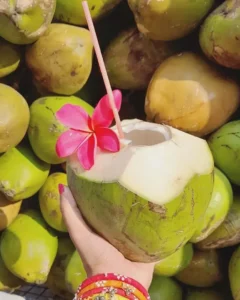
Elaneer: a classic on the streets of southern India, tender coconut water straight from fruit to glass is sure to cool you down! 

2. Khus the Heat Goodbye: Traditional Decor

Long before modern technology, Indian havelis had their ways of staying cool, which were both eco-friendly and affordable.

Khus or Vetiver is an aromatic grass woven into mats and curtains that cover the floors and doors of many homes to this day. When sprinkled with water, these curtains release an earthy fragrance similar to that of petrichor and cool cross-ventilating air naturally. They’re both functional and aesthetically pleasing and can add the perfect rustic charm to your urban home this summer. 

In addition to this, clay walls and accent murals have a similar effect to matkas when it comes to toning down the edge of scalding air.

3. Hot days, Khadi ways

While fast-fashion brands fill your wishlists with polyester skirts and dresses, make sensible style choices with a blend of hand-spun Khadi cotton. Comfort no longer means compromising on fashion with the advent of many Indian small businesses bringing Khadi to your doorstep in a variety of colours, styles, and patterns. 

In addition to its breathability and sweat-absorbent properties, investing in homegrown fabric helps you contribute to the lives of struggling native Indian farmers and weavers, who, after all, also have an equally hot summer to bear.

While these disclaimers are sure to set fear in the hearts of many Indians dreading the long summer days of soaring temperatures and disappearing rivers, take this as your sign to bask in the rays of happiness that the next quarter of the year brings. Use the time indoors to spend quality time with your loved ones(with a glass of thandai or two) and cherish the nostalgic joy of chiming ice cream carts, memorable pool days, and giggling children on the street!

– Renaisa Saratkar (Student)

Beyond the Void: The Vanishing Art of Friendship in a Hyper-Connected World
By Justice N.Anand Venkatesh

0

My childhood friend recently forwarded me a message from a social media platform titled “The Friendship Recession” discussing the decline in meaningful friendships. Around the same time, during a casual chat, my wife brought up an important issue raised by our son. At 21 years old, he expressed frustration over his inability to form emotionally binding friendships despite his best efforts over the last three years in college. He shared that those he considered close friends had moved on to pursue their careers, leaving him feeling disconnected. With these thoughts weighing on my mind, I decided to sit down and pen this article.

The “Friendship Recession” has emerged as a profound societal shift, reshaping the landscape of human connections in the 21st century. This phenomenon, characterized by a decline in close friendships and meaningful social interactions, has been steadily growing over the past few decades, with recent events like the COVID-19 pandemic accelerating its impact. As we navigate this new reality, it’s crucial to understand the causes, consequences, and potential solutions to this pressing issue that affects our collective well-being.

The statistics paint a stark picture of this friendship decline. In the United States, the percentage of adults reporting no close friends has quadrupled since 1990, while those with ten or more close friends have decreased threefold. This trend isn’t limited to America; Urban India likely mirrors this trend, with acquaintances replacing deep bonds. Social media, intensive parenting, and career-driven lifestyles have eroded communal spaces where friendships traditionally thrived. Similar patterns are emerging in other countries making it a global phenomenon, transcending cultural and geographical boundaries.

Several factors contribute to this alarming trend. The rise of digital technology and social media, while ostensibly connecting us, often leads to shallow, unfulfilling interactions that fail to satisfy our deep-seated need for genuine human connection. The COVID-19 pandemic exacerbated this issue, forcing people into physical isolation and disrupting established social routines. However, it would be overly simplistic to blame the pandemic alone for the friendship recession, as the roots of this problem run much deeper.

In the 1970s and 1980s, friendships thrived through face-to-face interactions, fostering deep connections. Today, digital technology dominates social interactions, often replacing in-person bonds. Despite constant connectivity, many experience increased loneliness and fewer meaningful relationships. This shift highlights a paradox: more connections, yet deeper isolation.

Cultural shifts, such as delayed marriages, frequent relocations, and career prioritization, have reduced time for friendships. The rise of “workism” emphasizes work as central to identity, often at the expense of personal relationships. Urban planning, including car-dependent suburbs and fewer “third places,” limits spontaneous social interactions. These factors collectively contribute to declining emphasis on friendships and increased social isolation

The consequences of this friendship recession are far-reaching and deeply concerning. Social isolation has been linked to increased risks of premature death, rivaling the health impacts of smoking, obesity, and physical inactivity. Those without close friends are more likely to experience depression, anxiety, and suicidal thoughts. Chronic loneliness can lead to poor sleep, cardiovascular issues, and weakened immune function. Beyond individual health, the friendship recession threatens the very fabric of our society, potentially leading to decreased social cohesion and civic engagement.

Furthermore, the absence of friendships diminishes life satisfaction. Studies reveal that people who prioritize friendships report higher levels of happiness, regardless of age or cultural background. Conversely, the decline in meaningful relationships contributes to a pervasive sense of unhappiness and disconnection in modern society. The friendship recession also undermines resilience; without a reliable support system, individuals struggle to cope with life’s challenges, increasing their vulnerability to mental health issues.

As we confront this crisis, a crucial question emerges: Where is this relationship destined, and how can we reverse the trend? The future of friendship in our increasingly digital and individualistic world hangs in the balance. The ripple effects would extend beyond mental health, influencing physical health outcomes and even economic productivity due to increased healthcare costs and decreased workplace engagement. Will we continue down a path of isolation, or can we find ways to rebuild and strengthen our social connections?

To address this challenge, we must take both individual and collective action. On a personal level, we can prioritize friendship by consciously making time for social interactions, even when it feels inconvenient or uncomfortable. This might involve scheduling regular catch-ups with friends, joining clubs or groups based on shared interests, or simply being more open to spontaneous social opportunities when they arise.

Technology, while often blamed for exacerbating the problem, can also be part of the solution. We can use digital tools to facilitate real-world meetups, join online communities that foster genuine connections, or leverage video calls to maintain long-distance friendships. However, it’s crucial to use these tools as a means to an end – real, in-person interactions – rather than as a substitute for them.

On a broader scale, Urban planners can foster social interaction by designing walkable neighborhoods, preserving public spaces, and supporting local businesses as informal meeting points. Educational institutions can teach social skills and emphasize community engagement, while workplaces can promote work-life balance and encourage meaningful connections beyond professional roles. Together, these efforts create environments that strengthen social bonds and enhance community cohesion.

Ultimately, reversing the friendship recession wil require a cultural shift. We need to collectively recognize the value of friendship and prioritize it alongside other life goals. This means challenging the notion that being busy or career-focused is inherently virtuous and acknowledging that investing time in relationships is crucial for our individual and societal well-being.

As we stand at this crossroads, the future of friendship depends on deliberate efforts to nurture relationships, foster new connections, and build a society that values meaningful interactions. The friendship recession serves as a wake-up call, urging us to reclaim the art of connection and celebrate the joy of genuine human bonds. By acting now, we can preserve and enrich the richness of human connection for generations to come.

Schools and colleges play a pivotal role in fostering friendships, which are essential for students’ emotional, social, and academic development. Indian schools celebrate vibrant festivals like Diwali and Holi, showcasing traditional dances and music. They conduct cultural programs featuring classical dances and folk arts. National festivals like Republic Day are celebrated with patriotic fervor. Regional festivals such as Pongal and Onam highlight India’s cultural diversity.

Parents should encourage open communication and model positive relationships to help children form strong friendships. They can create opportunities for social interaction through group activities. Instilling cultural values like humility and respect fosters deeper connections. By balancing discipline with love, parents nurture emotional security, enabling children to build meaningful friendships.

The friendship recession is not just a personal issue but a societal challenge that demands urgent attention. By recognizing the critical role of friendships in mental health and taking deliberate steps to restore these connections, we can work toward a healthier, more connected future

The bonds we cherished now slip through time,
Lost in the rush of ambition’s climb.
Once warm embraces, now fleeting and cold,
Friendships dissolve as the years unfold.
Will we reclaim them, or let them fade untold?

Justice N.Anand Venkatesh is a Judge at the Madras High Court

Vinesh Phogat to build world-class sports academy with Rs 4 crore prize money

0

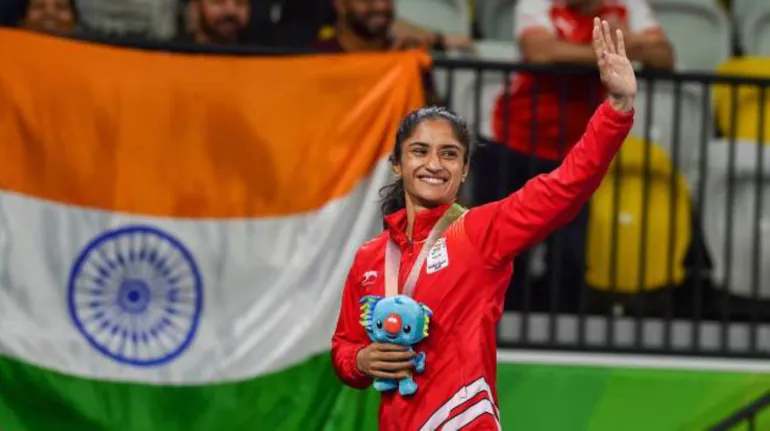
Former wrestler turned politician Vinesh Phogat was awarded prize money of Rs 4 crore by the Haryana government. She plans to use that money to set up a world-class sports academy for young athletes.

As per the Haryana government’s sports policy, athletes are allowed to choose from land, a government job or monetary compensation. According to this policy, Rs 6 crore will be offered for an Olympic gold, Rs 4 crore for silver and Rs 2.5 crore for bronze medal winners. Although Vinesh Phogat was disqualified from the women’s 50 kg category for marginally exceeding the weight limit, she was granted the silver medallist reward by the Haryana government.
She shared her decision to set up a sports academy on X.. According to her, the public had given her so much love, respect and strength and this was the opportune time to repay it all. She wishes to support the dreams of other athletes.She has also appealed to the public to join her and make this into a reality.

Former ”Australia’s Next Top Model” dies at 27

0

Lucy Markovic rose to fame as the runner-up in ”Australia’s Next Top Model” in 2015 and worked with Versace and Victoria Beckham passed away untimely at the young age of 27. Her family announced the sad news and revealed that she was undergoing surgery for an arteriovenous malformation. She passed away when she was surrounded by her loved ones.

Her agency Elite Model Management  called Lucy a ”bright shining light” and said that Modelling was one of her dreams.
She had a very successful modelling career and appeared for brands like Versace and Victoria Beckham, she walked the ramp for Oscar de la Renita, Bulgari, Givenchy and Dolce & Gabbana. She also appeared in high profile magazines like Marie Claire and various international editions of Vogue.
Three weeks ago, she announced on Instagram that she would be undergoing surgery. She battled the condition for four years and captioned her post ”Life’s a journey and I’m ready for the next chapter.”

Vinesh Phogat gets Rs 4 crore from Haryana state government

0

Wrestler turned politician Vinesh Phogat who was disqualified for being overweight just ahead of the finals in the 50 kg category wrestling event at the 2024 Paris Olympics has opted for a cash prize after the Haryana government offered her benefits equivalent to an Olympic silver medallist.

She was asked to make a choice between a cash prize of Rs 4 crore, a job under Group A and a Haryana Shehri Vikas Pradhikaran plot.
The chief minister said that Vinesh is a daughter of the state and that she would receive the award as an Olympic silver medallist. He referred to Phogat as ”Haryana’s pride” and said that he would not allow her honour to be diminished.
Vinesh Phogat opted for the cash prize of Rs 4 crore and said that it’s not about the money involved but about respect.She contested the Haryana Assembly elections held last year from Julana in Jind district on a Congress party ticket.

King Charles and Queen Camilla make surprise visit to Vatican

0

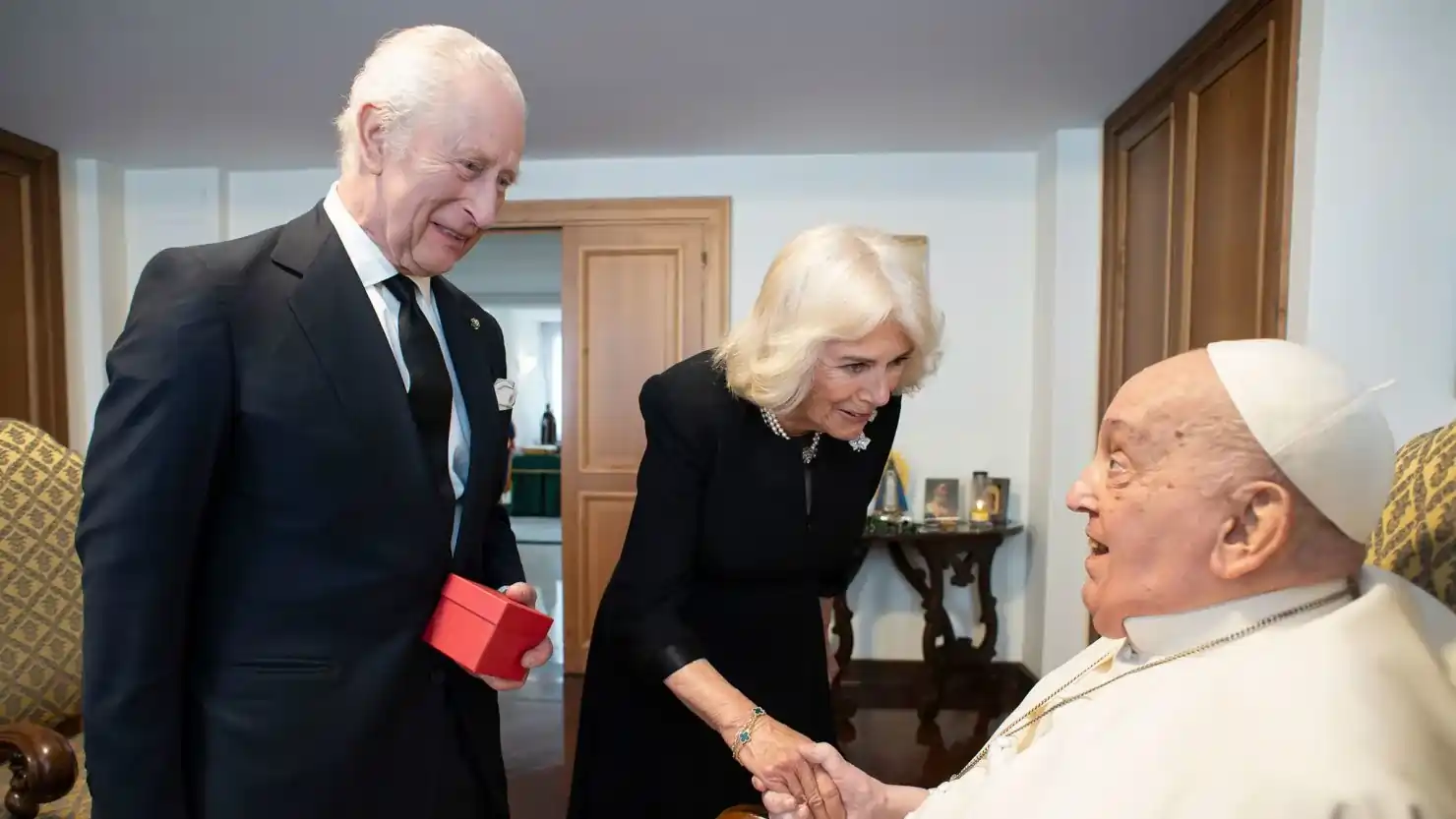
Britain’s King Charles III and Queen Camilla made a surprise visit to the Vatican to see Pope Francis on April 9. They were actually planning to make a formal state visit to the Vatican earlier but had to postpone their journey after doctors prescribed two months of rest for the pontiff.

They met Pope Francis who conveyed his best wishes to the royal couple who were celebrating their 20th wedding anniversary on April 9. Both King Charles and Queen Camilla were delighted to meet the pontiff and that he was well enough to host them.
King Charles is the head of the Church of England which split from the Catholic Church in 1534.King Charles has met Pope Francis on two occasions earlier in 2017 and in 2019 before he became king. Late Queen Elizabeth II visited Pope Francis at the Vatican in 2014.

Dubai Prince gifts replica of his grandfather’s cloak to PM Modi

0
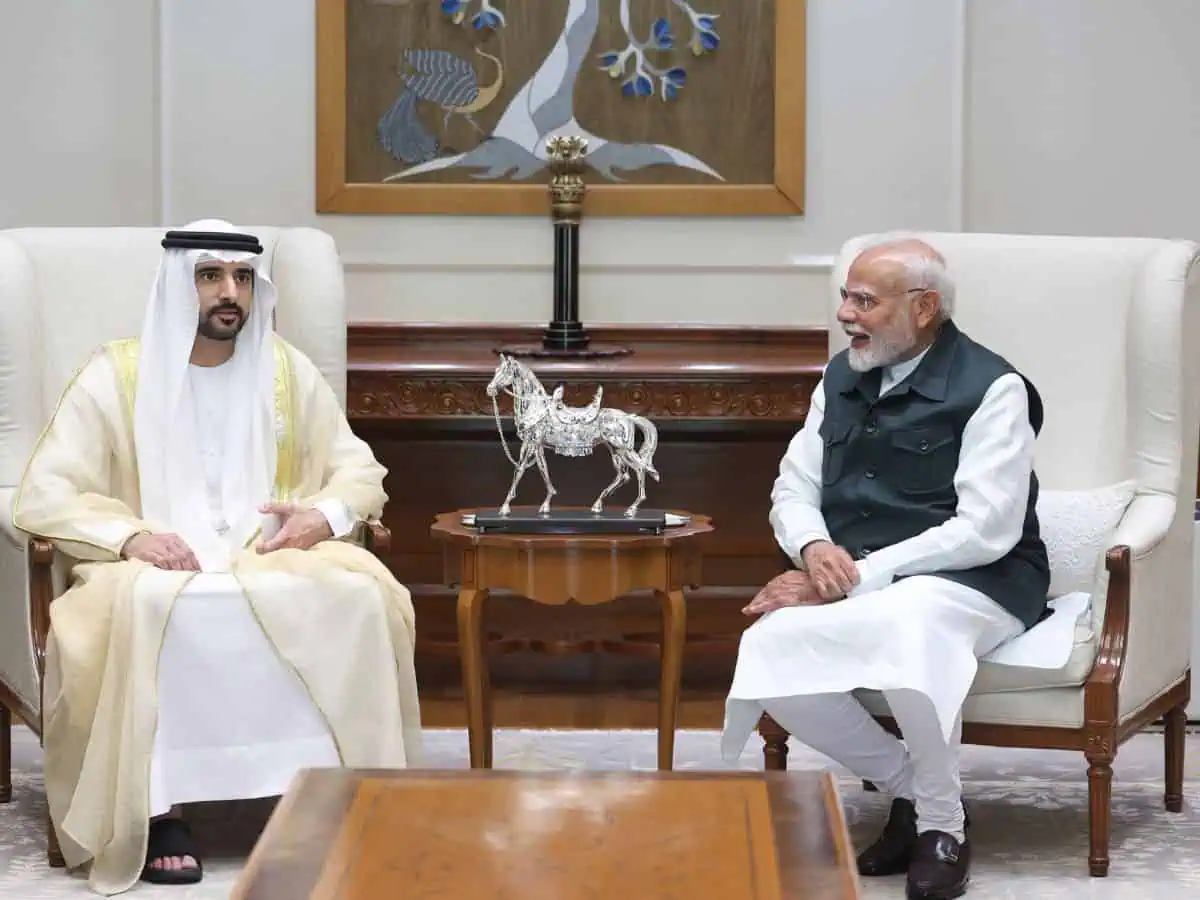
Prime Minister Narendra Modi hosted a lunch for Sheikh Hamdan bin Mohammed bin Rashid Al Maktoum, the Dubai Crown Prince, the Deputy Prime Minister and Minister of Defence of the United Arab Emirates at his residence in Lok Kalyan Marg and also conveyed his regards to the President of UAE.
The Crown Prince presented PM Modi with a replica of his grandfather Sheikh Rashid’s ‘bisht’, a traditional cloak worn over the Qandura by Arab men. during the meeting in New Delhi on Tuesday. It symbolises historic and political friendship between the two countries.
Discussions were held on ways to strengthen the Comprehensive Strategic Partnership between India and the UAE.This is the Crown Prince’s first official visit to India. He was accompanied by several ministers, senior government officials and a high-level business delegation.

Pope Francis makes surprise appearance at St. Peter’s Square

0

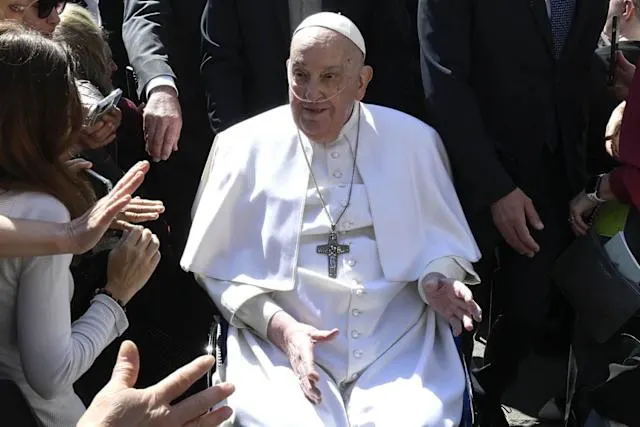
Pope Francis made a surprise appearance at St. Peter’s Square during a special Jubilee Mass for the sick and health workers held on Sunday. This is his first appearance at the Vatican since he was discharged from hospital after battling a bout of pneumonia.

He waved at the crowd as he was pushed in a wheelchair unannounced to the front of the altar. He wished the congregation a ”Good Sunday” on the microphone. His voice appeared to sound better and stronger than when he addressed well wishers outside Gemelli hospital on the day of his discharge on March 23 after a five week hospital stay.
The Pope was seen with nasal tubes to supply supplemental oxygen and the Vatican said that it is being gradually reduced. He also waved his arms and blessed the crowd but one could notice that his arm movements were limited.After the mass, he greeted some of those who assisted in the service and many bowed to kiss his hands. He later made an exit through the Holy Door.

Unique wedding menu lists calorie count of dishes served

0

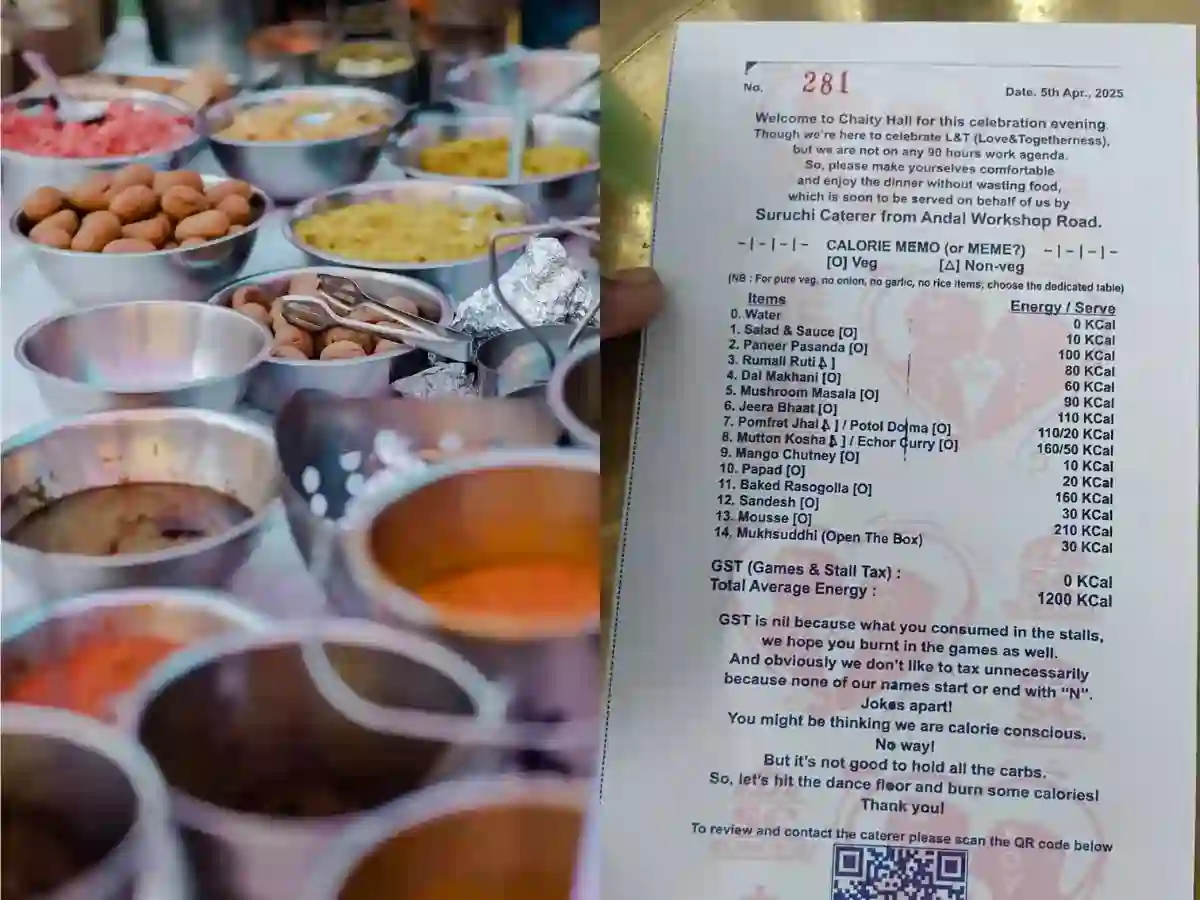
A wedding held in West Bengal had an unusual menu list that showed the various dishes that were served both vegetarian and non vegetarian with a calorie count of each dish.

This would have come in handy for those people who are calorie conscious and keep track of what they eat and the calories of each item. Here, the host allowed the guests to make informed choices about what they eat without having to sacrifice the pleasure of enjoying the wedding feast.
The menu greeted the guests with a message that read ”Welcome to Charity Hall for this wedding celebration. We are here to celebrate L&T” (Love and Togetherness) . The guests were asked to enjoy their dinner without wasting food.The creative menu gained a lot of attention on social media.and there were many who sent positive comments.

Ed Sheeran collaborates with Arijit Singh for new album

0

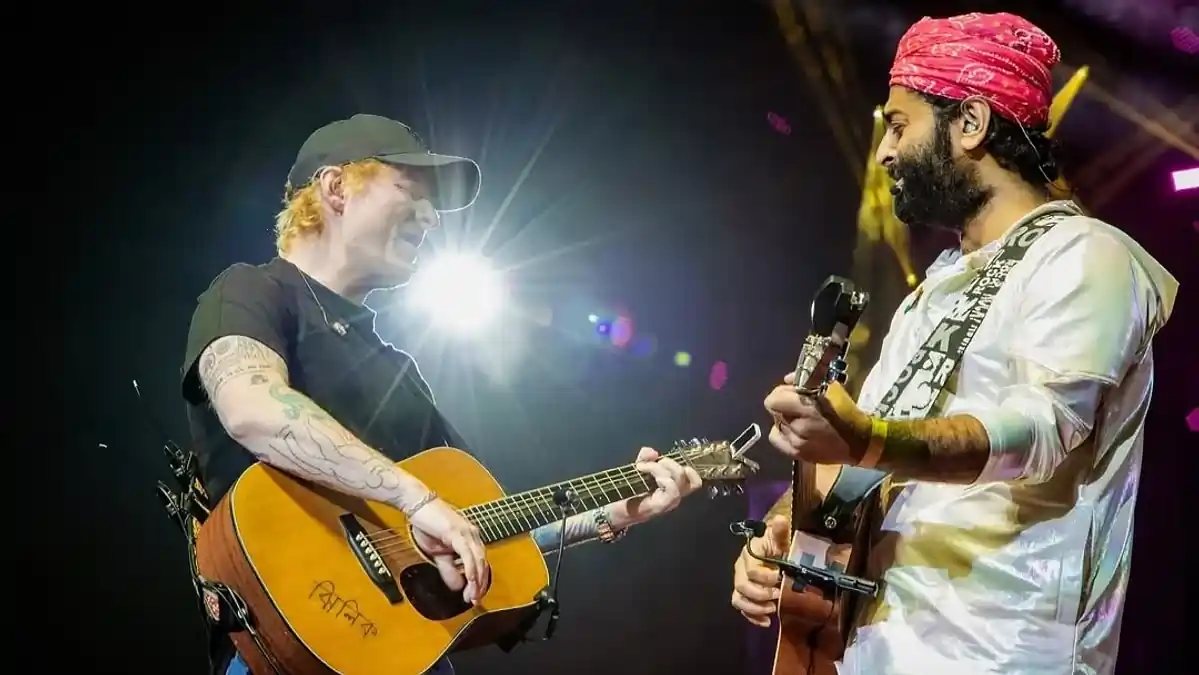
Two legendary artists are getting together for a new album- Ed Sheeran from the UK and Arijit Singh from India are collaborating together and fans are super excited to hear this news.

Ed Sheeran was here in India in February this year as part of his tour and he visited Arijit’s hometown Jiaganj in Murshidabad district of West Bengal. The duo were spotted enjoying a scooter ride together. Many local residents were shocked to see this as their favourite singers were spotted without any security.
Ed Sheeran spilled the beans about this latest album during an interview with Heart, UK”s commercial radio brand. When he was asked if there were any surprise collaborations,he mentioned the one with Arijit Singh.
Ed Sheeran travelled with his dad to India and took a 3 hour flight and 5 and a 1/2 hour drive to meet Arijit Singh. He praised the Indian singer whom he called good and really wonderful.

Smoking Hot 🔥 Raashii Khanna

0
Check out the latest photoshoot pictures of Actress Raashii Khanna