

This article comes from my own journey and reflections about what it truly means to read. Over time, I have noticed how deeply different it feels to hold a printed book compared to reading on screens or listening to audiobooks. These thoughts are very close to my heart, and I wanted to share them in a way that invites all of us to think about how we connect with literature today.
There is something truly special about reading a printed book, a feeling that goes far beyond just words on a page. For me, every time I pick up a physical book, it feels like I am setting out on a personal journey. The weight of the book in my hands, the gentle sound of turning pages, even the faint smell of paper—these little things make the story come alive. It is as if the book and I are traveling together, step by step, page by page.
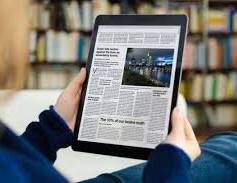
I have tried to embrace e-books and audiobooks. I wanted to believe that the magic of reading could be found in any format, that maybe it was just my own mind holding me back. But every time I swipe through an e-book or listen to a story, I feel something is missing. The words don’t seem to stick. The story fades away quickly, as if I never truly read it at all. I wondered if it was just nostalgia, or maybe a mental block I needed to overcome. But then, I heard a famous writer Jayamohan describe audiobooks as a vehicle that takes you to your destination with no effort, while reading a book is like riding a bicycle where you have to pedal, steer, and feel every bump along the way. That explanation struck a deep chord with me. It put into words what I had always felt but couldn’t quite explain.
Science actually supports this feeling. When I read a printed book, my brain is doing much more than just recognizing words. The act of holding the book, feeling its texture, and physically turning each page gives my mind important clues about where I am in the story. I remember that a certain twist happened on the right page, halfway through. These physical cues help me build a mental map of the story, making it easier to remember and understand. The shrinking pile of unread pages becomes a sign of progress, a journey I can see and feel.
But with e-books, the pages are just digital images. Swiping or tapping doesn’t feel the same as turning a page. Audiobooks, while convenient, make me a passive listener. My hands and eyes are free, and my mind often drifts. The journey feels more like being a passenger in a car, rather than actively riding a bicycle. I realize now that the effort I put into reading a printed book—decoding words, imagining scenes, pausing to reflect, is what makes the story stick with me. It’s the effort that gives meaning to the journey.
Research shows that reading printed books leads to “deep reading”, a state where we focus, think critically, and connect emotionally with the literature we read. This kind of reading builds empathy, imagination, and memory. Digital and audio formats, on the other hand, often lead to “shallow reading.” We skim, we get distracted, and the focus slips away. Our digital devices are full of interruptions, notifications, messages, endless temptations to switch tasks. Even when I try to focus, my attention is easily pulled away. Printed books, by their very nature, create a quiet space for me to lose myself in the study material. They demand my full attention, and in return, they offer true immersion, a rare and precious state in our busy world.
What worries me is not just my own experience, but what this means for the present and future generations. Is it just a personal quirk, or does it point to something bigger? If most young people grow up reading on screens or listening to books, will they ever know the depth of connection and understanding that comes from reading in print? Science suggests they might not. The shift to digital formats is changing not just how we read, but how deeply we think, learn, and remember. If we trade away the richness of the printed journey for speed and convenience, what are we losing? Are we raising a generation of readers who will skim the surface of stories, but never dive deep enough to be changed by them?
For me, the journey with a printed book is not a mind block to overcome, but a beautiful part of how I connect with literature. It is the effort, the focus, and the physical presence of the book that make reading so powerful and memorable. In a world that moves faster every day, the slow, deliberate act of reading a printed book reminds me that some journeys are worth taking the hard way—one page at a time. And I can’t help but wonder: what will be left of that journey if we all become passengers, and no one remembers how to ride the bicycle? I am not very sure how far I am right in reaching this conclusion. I leave it to the reader.

Justice N.Anand Venkatesh Judge Madras High Court